
Exact street numbers often stay hidden until a reservation is confirmed, yet you can still run a smart Airbnb address lookup before booking. The goal is not to dox a host—it is to understand the neighborhood, compare the pin to photos and transit, and verify any address you later receive. This how-to blends Airbnb’s own search tools with public reverse-address checks so you book with fewer surprises.
Why the exact address is delayed—and what you can still learn
Platforms withhold precise locations to protect hosts and reduce unbooked drop-ins. Guests usually see an approximate map pin, neighborhood label, and distance hints. That is enough to research walkability, noise corridors, flood zones, and whether “five minutes to downtown” is marketing fiction.
Once you book, the full address should arrive through official Airbnb messages—not a random text asking you to off-platform pay. If someone pressures you to wire money or leave the app, treat it like other travel fraud patterns described on the FTC consumer site and walk away.
Search the listing area by destination, landmark, and map

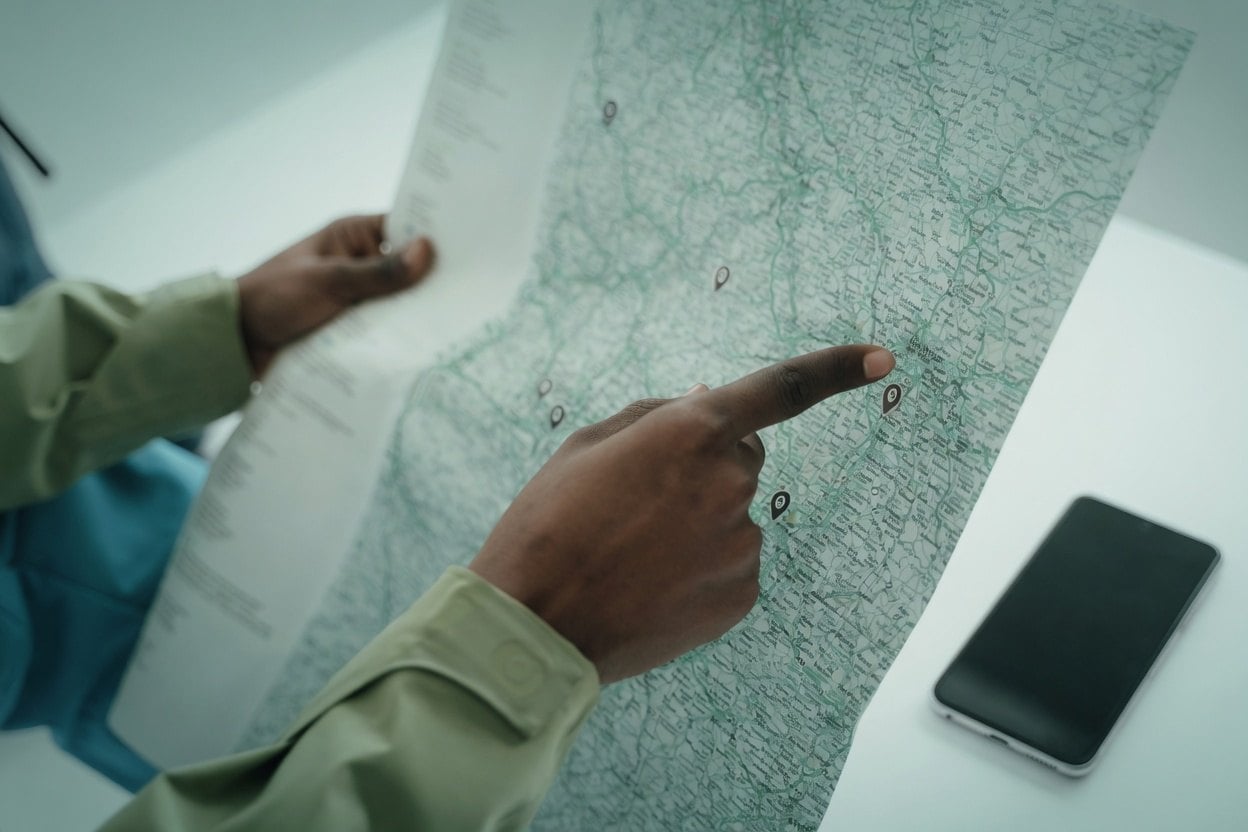
Start on Airbnb with your city or region, then zoom the map around the pin for your candidate listing. Drag and zoom to see competing homes, major roads, and water. Search nearby landmarks or neighborhood names to judge whether the pin sits in the area the title claims.
Set realistic dates and guest counts so you are not comparing unavailable fantasy inventory. Use filters for price, amenities, and accessibility after the map view makes sense. Screenshot the approximate pin before you fall in love with staged photos; pins and titles sometimes drift when hosts manage multiple properties.
Gather listing clues for an Airbnb address lookup before booking
Copy every concrete clue: cross streets, named buildings, transit stops, “behind the blue market,” floor number, parking instructions, and house rules about quiet hours. Hosts often leak enough detail for a neighborhood-level Airbnb address lookup before booking even without the number.
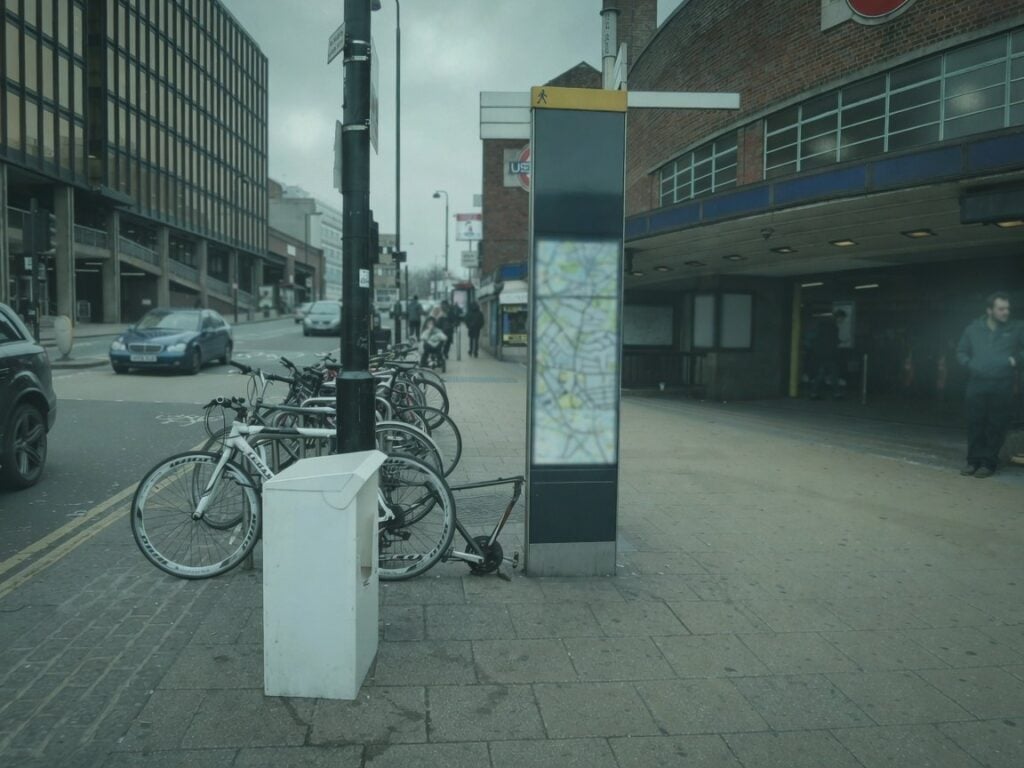
Cross-check those clues against Street View-style imagery, transit maps, and recent guest reviews that mention construction, clubs, or highway noise. If reviews describe a different skyline than the photos, pause. Inconsistencies matter more than one glowing five-star summary that reads like a template.
Run a reverse address check when a street line appears
Sometimes a host shares a partial address in Q&A, an old review slips a street name, or a previous stay message still sits in your inbox. When you have a plausible street, run a reverse address lookup to see property type, associated names, and whether the building looks residential, mixed-use, or oddly commercial for the listing story.
Compare results with listing claims about a private home versus a multi-unit building. For tool options, see best reverse address lookup sites and broader reverse address guidance. A reverse directory search by address can also clarify who is tied to a property when something feels off.
| Clue available | What to do | Green flag |
|---|---|---|
| Map pin only | Zoom map; check roads, transit, noise | Pin matches review geography |
| Neighborhood name | Compare crime/news and walk scores carefully | Host and reviews use same area name |
| Landmark distances | Measure typical walk or transit time | Times are realistic, not magical |
| Partial street | Reverse address + Street View | Building type matches photos |
| Full address after booking | Confirm in-app; recheck route | Same property story end to end |
Vet the host identity at a high level
Open the host profile for Superhost status, response rate, join date, and other listings. Multiple homes are normal for pros; brand-new accounts with luxury prices and stock-looking photos deserve extra caution. Message through Airbnb with specific questions only the real host should answer quickly—parking height, floor, noise at night.
If a name or management company appears, a limited people search or business search can show whether the identity is consistent with public traces. Keep this proportional and legal: you are validating a commercial stay, not stalking. Reputation issues can also be reviewed through consumer resources like the Better Business Bureau when a property manager operates as a local business.
Confirm logistics, safety, and payment only inside official channels
Before you click Book, reread cancellation terms, house rules, and check-in method. Prefer listings that keep communication and payment on-platform. Off-app deals remove protections you may need if the door code fails at midnight.
Plan arrival routes from the approximate pin, note well-lit pickup points, and share your itinerary with someone you trust. After booking, when the exact address arrives, drop it into maps again and optionally re-run reverse checks if the street differs from earlier hints. Our current address lookup guide explains triangulation if host-provided details conflict with public records.
Document mismatches and walk away when needed
Keep screenshots of the pin, key listing text, and host messages. If the confirmed address is miles from the marketed neighborhood, contact Airbnb support with evidence rather than arguing only with the host. Trust patterns: rushed urgency, requests for gift cards, or “renovation so ignore the map” stories are classic trouble.
It is acceptable to cancel within policy when the location story collapses. A cheaper nightly rate is not a bargain if the building type, safety profile, or access instructions do not match what you reserved. Your pre-booking lookup work is what makes that decision fast instead of emotional at the curb.
Frequently Asked Questions
Can I see the full Airbnb address before I book?
Usually not. Most listings show an approximate location until reservation confirmation. You can still research the pin, neighborhood, and any partial clues hosts or reviews reveal. After booking, verify the exact address inside official Airbnb messages before you travel or share it widely.
Is reverse address lookup allowed for vacation rentals?
Using public information to understand a property you may rent is a common due-diligence step. Stay inside the law and platform rules: no harassment, no trespassing “drive-bys” meant to intimidate, and no misuse of data for unrelated screening decisions. Focus on safety and accuracy for your stay.
What are red flags during an Airbnb address lookup before booking?
Watch for pins that contradict photos, hosts who refuse basic area questions, pressure to pay outside Airbnb, and addresses that resolve to empty lots or purely commercial buildings when the listing promised a private home. Multiple weak signals together beat one odd review.
Should I trust distance claims in the listing title?
Not without measuring them. “Minutes to downtown” can assume perfect traffic or a generous definition of downtown. Use the map pin, transit schedules, and recent guest comments about walking at night. Realistic hosts give cross streets or transit line names you can check.
What if the address after booking does not match the pin?
Compare the new street in maps, message the host for clarification, and contact Airbnb support with screenshots if the property is materially elsewhere. Do not accept last-minute off-platform “upgrades” that move you to an unverified building without platform documentation.