Reverse Phone Lookup
Search a phone number for possible name, location, carrier, public-profile clues, and related public-record information.
Free Reverse Phone Lookup — Search Any Number
- This Connection Is Secured. Your search is confidential. Results vary by available public data and source coverage.
- Private & Encrypted
- Trusted by 100K+ Users
- Aggregate Public Records
- Basic results may vary by available phone and public-record data.

How Reverse Phone Lookup Works
Use our reverse phone lookup tool to search a number, check available phone and public-record sources, and review possible matches.

Enter the Phone Number
Type in the phone number you want to search, including mobile, landline, or VoIP numbers.

Search Available Public Sources
Our tool checks available phone, public-record, and online data sources for possible details connected to the number.

Review Possible Matches
See available clues such as a possible name, general location, carrier details, and related public-profile information tied to the number.
Why People Use Reverse Phone Lookup
Use reverse phone lookup to check whether a number may be linked to available phone records, public-profile clues, or related web references. Whether you are screening spam calls, researching a missed call, or checking an unfamiliar contact, results vary by available data.
Check Unknown Callers
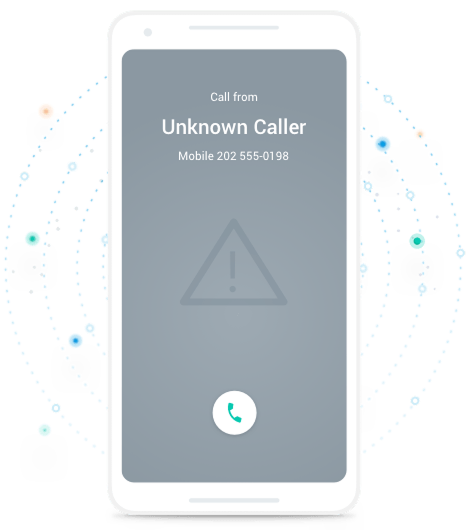
Search an unfamiliar number to see whether it may be connected to a person, business, carrier, or reported caller activity.
Review Available Details
Review possible clues such as name matches, general location, carrier information, and related public-record signals tied to a number.
Look for Related Profiles
See whether a phone number may be associated with public social profiles, online accounts, or other visible web references.
Screen Calls Before Responding
Run a reverse phone search when checking a missed call, screening possible spam, or deciding whether to respond to an unfamiliar number.
Check Unknown Callers
Search an unfamiliar number to see whether it may be connected to a person, business, carrier, or reported caller activity.
Review Available Details
Review possible clues such as name matches, general location, carrier information, and related public-record signals tied to a number.
Look for Related Profiles
See whether a phone number may be associated with public social profiles, online accounts, or other visible web references.
Screen Calls Before Responding
Run a reverse phone search when checking a missed call, screening possible spam, or deciding whether to respond to an unfamiliar number.
Who Called Me? Checking an Unknown Number
When an unknown number calls or texts, a reverse phone lookup is the fastest way to check who it may be before you call back. Enter the number and review what available sources return: a possible owner name, general location, carrier, line type (cell or landline), and any public profiles or records the number appears in. Numbers used for telemarketing, robocalls, or scams often show warning patterns – heavy complaint activity, recently registered VoIP lines, or mismatches between the claimed caller and the listed region. A free basic search usually gives you enough to decide whether a call is worth returning.

What a Phone Number Reverse Lookup May Show
Our reverse phone lookup tool searches available phone, public-record, and web-based data sources for details that may be connected to a phone number. Depending on the number, results may include possible name matches, general location, carrier details, and related online references.
Results can vary based on the type of number and the quality of publicly available data. Mobile, landline, and VoIP numbers may return different levels of detail, and some records may be limited, incomplete, or outdated.
This helps users research unknown callers, screen unfamiliar numbers, and review available public information in one place.
Cell Phone Numbers vs Landlines
Cell phone numbers are harder to look up than landlines. Landline records have decades of public directory history, while cell numbers are covered by fewer public sources and change hands more often. A reverse cell phone lookup may still show a possible owner name, carrier, and general area – but expect more ‘no result’ outcomes than with landlines, and treat matches on recycled numbers with extra care. Our search checks both automatically; you don’t need to know the line type before searching.

Reverse Phone Lookup FAQs
Are basic reverse phone lookup results free?
Some reverse phone lookup tools offer limited free search access, while full reports or expanded results may require payment through partner providers. Availability depends on the data source, the number being searched, and the type of details returned.
What is reverse phone lookup?
Reverse phone lookup is the process of entering a phone number to look for publicly available details connected to it. Depending on the data available, results may include a possible name, general location, carrier information, or related online references.
What can a phone number reverse lookup show?
Results can vary by phone number and source quality. A phone number reverse lookup may show possible name matches, general location history, carrier data, related public profiles, or other publicly available records associated with the number.
Why use reverse phone lookup?
People use reverse phone lookup to research unfamiliar callers, screen possible spam, and review available information before calling or messaging back. It can be a useful starting point, but results should be checked against trusted sources when accuracy matters.
Who called me from this phone number?
Run the number through the free search above. If public sources hold a match, you’ll see a possible name, location, and carrier. No match usually means an unlisted, newly issued, or heavily private number.
Is there a truly free reverse phone lookup?
Yes – basic results here are free with no signup. Full reports that pull expanded record sets through partner providers may require payment, shown before you commit.
How is this different from white pages reverse phone lookup?
Traditional white pages cover published landline directories. Our search adds public web references, profile matches, and partner data sources, which matters most for cell numbers.
Can I look up who a cell phone number belongs to for free?
Often, yes – but cell coverage is thinner than landline coverage, so free results vary by number. The search itself always costs nothing.