


What makes the best reverse address lookup useful
The best reverse address lookup depends on what you need to confirm. Start with property and public-record sources for ownership clues, use address lookup tools to organize resident history, then verify important details elsewhere. No address search should be treated as proof of who lives somewhere today.
A reverse address search starts with a street address instead of a name, phone number, email, or username. That makes it useful when you have a property, apartment building, old mailing address, rental lead, neighbor question, or suspicious shipping address, but not a confirmed person.
Address data is personal. Pew Research Center’s technology coverage at its internet and technology hub is a useful backdrop for how much public and commercial data now shapes privacy concerns.
Anyone whose only question is the current resident of one house can start with the who lives at this address guide, which leans on public records and property databases.
What reverse address lookup sites can show
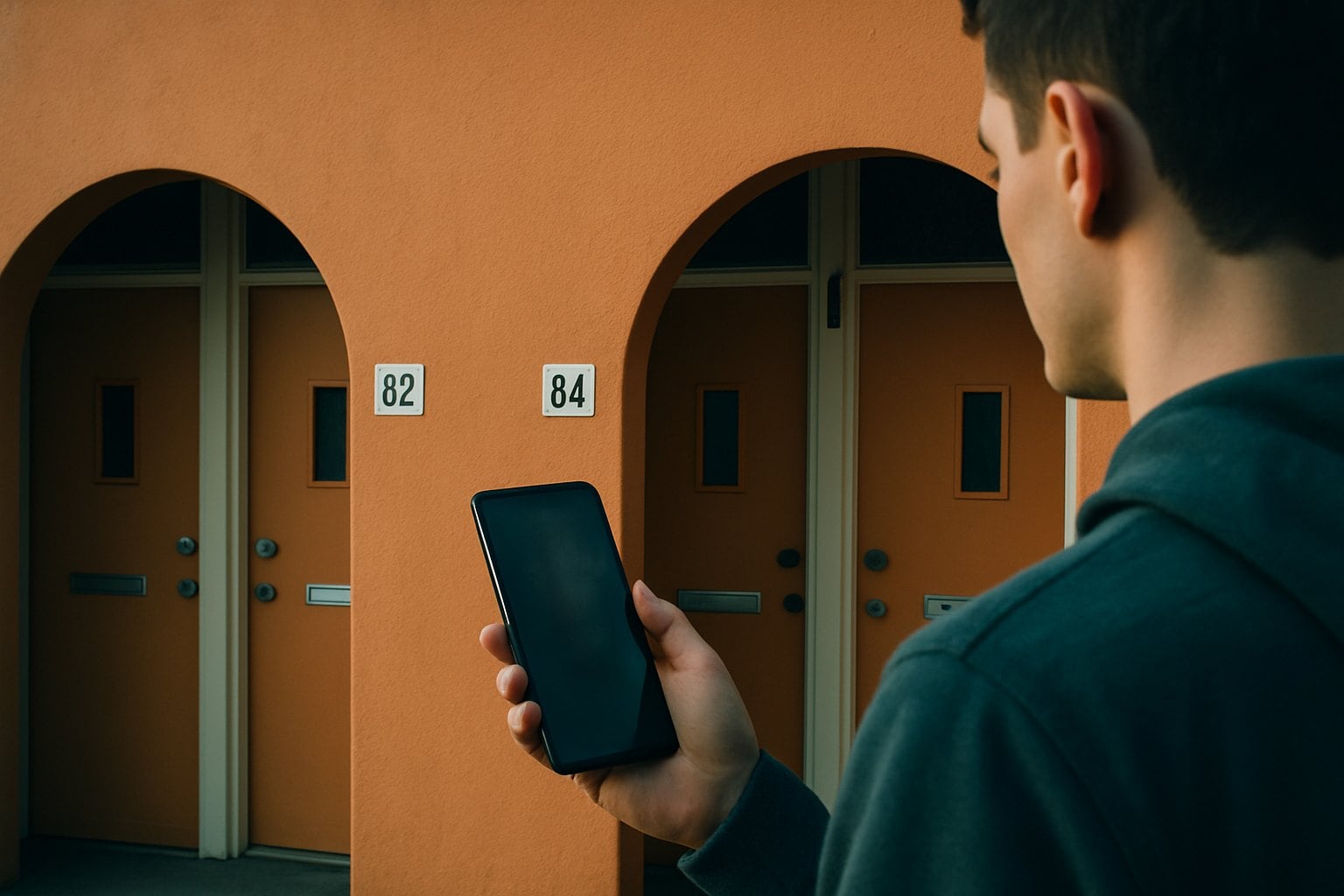
Results vary, but address-based searches may connect a property to current or past residents, owner names, possible relatives, phone numbers, property records, sale history, neighborhood context, and nearby listings. Some of that information comes from public records. Some may come from commercial databases.
The useful part is organization. Instead of searching a county site, old directory, map, and phone clue separately, a lookup report can gather likely matches in one place. The risky part is accuracy. People move, records lag, renters are missing, and old residents can remain attached to an address for years.
| Source type | Best use | Watch for |
|---|---|---|
| County property records | Owner, mailing address, parcel, sale history | Owner may not be the current occupant. |
| Address lookup tools | Resident history and connected contact clues | Old residents and recycled phone data. |
| Map and street-view tools | Location context, business signs, building type | Images may be outdated or blurred. |
| Business directories | Commercial tenants, office suites, public-facing companies | Shared addresses can mix many entities. |
| Public court or licensing portals | Address mentions tied to filings or registrations | Legal context matters before drawing conclusions. |
Starting from a phone number instead, the method for finding past addresses by phone number shows how to verify each historical hit against independent records.
How to pick the right source for your question
If you want to know who owns a house, start with the county assessor, recorder, or property appraiser. If you want to identify who may be connected to an address, use a reverse address lookup. If you have a name from the address search and need broader context, use people search.
For apartments, be careful. Unit numbers matter, and many databases attach people to the building rather than the specific unit. For office buildings, a shared suite, mailbox store, coworking space, or registered-agent address can produce misleading matches.
For an old address, add dates to your notes. A person tied to a property in 2016 may have no connection to a package, call, or message you received today. Timing is often the difference between a useful lead and a bad assumption.
Rank the sources by what they can prove
We weighed coverage of names and associated phones, property and ownership signals, clarity about free versus paid layers, update cadence, and whether results encourage verification instead of one-click belief. We also preferred tools that make opt-out and data-source language easy to find. Rankings are editorial judgments for everyday research—not endorsements for tenant screening, employment, insurance, or credit decisions under the Fair Credit Reporting Act.
| Option | Best for | Typical cost model | Verify with |
|---|---|---|---|
| County assessor & recorder | Ownership, sales, legal description | Usually free | Deed dates, parcel ID |
| Specialized reverse address sites | Resident names + contact hints | Free tease / paid full report | Assessor + USPS-style address checks |
| People-search aggregators | Linking address to phones & relatives | Subscription or single report | Multiple independent sources |
| Court & recorder portals | Liens, judgments, filings | Often free or low fee | Case numbers, filing offices |
| Map + street-view context | Physical layout, multifamily clues | Free | In-person or agent confirmation |
County assessor and recorder portals
For property-grounded reverse address work, start where deeds and tax rolls live. County assessor and recorder sites often list owner names, mailing addresses, sale history, square footage, and parcel identifiers without a sales pitch. That is the backbone of the best reverse address research when your question is “who owns this?” rather than “who might answer the door.” Limitations are real: owner of record is not always the occupant, and online portals vary wildly by county. Still, primary records beat secondary scrapes when you need something defensible. Cross-check spelling of the legal address against the assessor’s parcel map so you do not pull the wrong lot on a shared driveway.
Court, lien, and judgment indexes
Address-linked filings can explain why a property feels “complicated” long before you talk to anyone. State and county court portals, plus recorder indexes for liens and judgments, sometimes show parties, street addresses in captions, and filing dates. This is not a social directory; it is a risk and context layer. Free access is common, though certified copies may cost money. Read docket text carefully—shared names and old addresses produce false confidence. If a reverse address report mentions liens or bankruptcies, verify on the official system of record rather than trusting a third-party summary alone. The Federal Trade Commission’s consumer resources are a sober place to ground privacy and identity expectations when public data starts to feel invasive.
Mapping layers and neighborhood context
Maps, aerials, and street-level imagery will not name residents, but they prevent dumb mistakes: mistaking a commercial strip for a home, missing a rear unit, or assuming a vacant-looking lot is empty of ownership drama. Combine map context with assessor data before you pay for a full people report. Note multifamily numbering patterns, HOA gates, and outbuildings that might share a mailing address. For legitimate real-estate curiosity, this free layer is part of any best reverse address routine; for stalking or harassment, stop—address research is not a license to show up uninvited. Journalists and privacy advocates have long documented how open housing data can be misused; treat location knowledge as sensitive even when it is public.
Utility, voter, and licensed-professional trails (where legal)
In some jurisdictions, limited public rosters—certain professional license lookups, campaign finance filings, or other open lists—can corroborate a name already tied to an address. Rules differ by state, and many classic “city directory” sources have thinned out or moved behind commercial walls. Never invent access: if a database is restricted or requires a permissible purpose, do not scrape around the gate. When a trail is lawful and free, use it only to confirm a hypothesis you already built from primary property records. The Better Business Bureau can help you pressure-test unfamiliar reverse-lookup brands before you hand over a card.
DIY free stack versus one paid report
The best reverse address strategy for most people is hybrid: free county records and maps first, then one carefully chosen paid report if resident identity still matters. Free teaser pages are designed to convert; they may show partial names or outdated phones. Paid reports can be worth it when time is scarce and you need a structured list of possibles to verify. They are rarely worth it if you only need the owner of record for a tax question. Budget for re-verification—call, mail, or use official channels—rather than treating a PDF as gospel. For a full walkthrough of address-first research, compare notes with the reverse address lookup guide.
Professional investigators and licensed channels
When stakes are high—safety planning with counsel, complex estate issues, or fraud after a break-in—licensed investigators and attorneys can access tools and methods that consumer sites cannot ethically promise. That path costs more and moves slower, but it comes with process and accountability. Consumer reverse address products remain useful for low-stakes orientation only. If someone is threatening you or misusing your address, document contact, involve law enforcement when appropriate, and review privacy steps on official consumer sites rather than escalating with amateur surveillance. Address data can enable both legitimate research and real harm; choose the channel that matches the risk.
Best cases for reverse address searching
Address searching is strongest when the question is tied to a place, not a personality. It can help you understand a property lead, identify a possible landlord, verify a business address, sort out a neighbor’s name, or research an unfamiliar address from a message or shipment.
It can also help with safety planning. If a strange number claims to be from a local office, the address they give should match public context. If a marketplace seller provides a pickup location, the address should make sense for the item and the story.
Do not use address results to harass, confront, or expose people. A lookup can surface someone’s home, relatives, or old contact details. The fact that information is findable does not make every use appropriate.
Privacy and opt-out issues
Many people are surprised to see their home address in commercial lookup results. The FTC’s consumer site at Consumer Advice covers privacy, scams, and data issues that often overlap with people-search sites. If your own address appears, look for the site’s opt-out or suppression process.
Opt-outs can take time, and data may reappear when a source refreshes. Keep a simple spreadsheet with the site name, removal link, date requested, verification method, and date confirmed. Do not upload more sensitive documents than the process reasonably requires.
If a lookup site, data-removal service, or address-search subscription feels misleading, check business information and complaint patterns through BBB.org before paying or sharing more personal data.
How to verify an address result

Use at least two independent sources before acting. A commercial lookup result plus the same commercial result copied on another site is not independent verification. A county record, a business registration, and a current official website are stronger.
Check spelling, unit number, ZIP code, city boundary, and date. One wrong digit can send you to a different building. A ZIP code can cross municipal lines. A property owner can live elsewhere. A current resident can be absent from owner records, especially after recent moves.
When the result affects money, safety, legal decisions, or travel, slow down. Call through official numbers, verify through the public agency or business itself, and avoid sending payments based only on an address and a polished story.
Cross-checking a name attached to an address is easier with free sources, and an overview of free people search sites explains where they help and where they fall short.
How this differs from a reverse directory
A reverse directory is usually a structured list that lets you work backward from an address or phone number. A modern address lookup may combine directory-style data with property records, contact clues, relatives, and public web context. The overlap is real, but the outputs can differ.
For more detail, compare this guide with the ultimate reverse address lookup guide and the current address lookup guide. Each starts from a slightly different search problem.
Frequently Asked Questions
What is the best reverse address lookup?
The best reverse address lookup is the one that matches your goal. Use county property records for ownership, address lookup tools for resident clues, business directories for commercial locations, and maps for context. Verify important results with independent sources before contacting anyone or making decisions.
Can a reverse address search show who lives there now?
Sometimes, but not reliably enough to treat as proof. Reports may show owners, past residents, possible residents, relatives, or people connected to the address through old records. Renters, recent moves, shared housing, outdated databases, and missing unit numbers can all create mistakes.
Is free reverse address data enough?
Often yes for ownership and basic property facts. Free layers struggle with current occupants, private phone numbers, and freshly moved households. If free sources already answer your question, stop spending. If you only get partial names or conflicting years of residence, a paid report can organize leads—but you still verify before contact or financial decisions.
Is reverse address lookup legal?
Searching public records and lawful lookup sources is generally allowed, but how you use the information matters. Do not use address data for harassment, stalking, illegal screening, threats, or exposing private people. Regulated decisions such as tenant, credit, insurance, or employment screening require proper legal processes.
When should I avoid reverse address lookups?
Skip them for stalking, harassment, or discrimination. Do not use consumer reports to make FCRA-covered decisions like employment or tenant screening unless you use a compliant consumer reporting agency and process. If you are in a dispute, get legal advice. Legitimate uses include reconnecting with consent, property research you have a right to pursue, and personal safety planning within the law.
Why do old residents show up at my address?
Address data can lag behind real life. Former residents may remain attached through old bills, directories, property records, marketing files, or public documents. If the result matters, check dates and compare multiple sources before assuming the person is still connected to the property.