

Treat destiny talk, secrecy requests, and urgent money asks that arrive inside a few weeks as one hostile script, not three coincidences. One flattering sentence proves nothing; the pattern does. The lines below are the ones that show up in chat after chat, with the counter-move for each, so you can stop sending money or IDs before the story finishes.
How scammers script the early chat
Scammers invent a persona and keep the relationship on text, DMs, or chat apps so you never meet a real face. Language does the heavy lifting: love-bombing, guilt, and emergency stories replace proof. The Federal Trade Commission’s guide to romance scams lists the same lies and explains how to report an attempt; do that before you wire funds or share IDs.
Below are phrase patterns that show up again and again. Use them as a checklist, then reverse-check the number or name when something feels off with a reverse phone lookup or people search.
Instant soulmate and destiny talk
Within a day or two, the chat leaps past ordinary getting-to-know-you talk. You hear “You’re my soulmate,” “I’ve never felt this with anyone,” or “We were meant to meet.” The goal is emotional velocity: if you already feel chosen, you stop testing the story.
A realistic exchange looks ordinary at first (“How was your day?”), then pivots to lifelong plans by message ten. Future-building lines (“I can’t wait to build a life together,” “You’re the one I’ve prayed for”) appear before any shared history exists. Healthy people leave room for doubt. Scripted ones close that room on purpose.
Counter-move: slow the tempo. Suggest a short video call this week. Evasion after destiny talk is more informative than the compliments themselves.
Secrecy and isolation lines
“Let’s keep this private.” “Don’t tell your friends yet, they’ll ruin it.” “My work is sensitive, so nobody can know about us.” Isolation phrases cut you off from the people who would ask hard questions.
Secrecy is sold as intimacy. In practice it keeps outside verification away from a fabricated profile. If someone you just met online wants your family excluded from the story, that is control language, not romance.
Watch for social pressure dressed as protectiveness: claims that coworkers, exes, or “jealous people” will sabotage the bond if you mention it. Real partners introduce you into their life over time. Con artists shrink your world.
How the money ask is worded
After weeks of warmth, the script flips to crisis. Classic romance scammer phrases for cash include “I’m stranded and need funds urgently,” “Customs is holding my package, pay the fee,” and “If you love me, you’ll help me just this once.” The ask often pairs with a deadline measured in hours.
Payment channels matter as much as the words. Gift cards, crypto, wire transfers, and cash apps are preferred because they are hard to reverse. A sudden medical bill, unpaid shipping, or military leave “problem” that only you can fix is not a coincidence; it is the monetization step.
Never send money to someone you have not met in person and verified independently. If the crisis story appears right after deep love-bombing, end the money conversation and document the chat.
Overseas work and hero job covers
Many scripts cast the scammer as a soldier abroad, an oil-rig worker, a surgeon on mission, or an engineer stuck overseas. Those cover stories explain why they cannot visit, why video is “impossible,” and why money must move across borders.
Details sound polished until you probe. Ask for a unit, company name, or public-facing work trail that a stranger could check. Vague answers, stock photos, and anger when you dig are part of the same package. Hero jobs also invite sympathy: you are asked to “support” someone serving others.
Cross-check the name and number against public records rather than accepting the job tale at face value. The job story is one tell among many, and our checklist of the most common signs of a scammer pairs well with this language test when you are weighing a persona.
Excuses for dodging cameras and meetings
When you request a live video call, expect a stack of excuses: broken camera, terrible internet, “security rules at the base,” or a phone “in the shop.” They may offer a pre-recorded clip instead of a live conversation. Weeks of excuses for staying off camera are the core of catfishing, and our guide on how to tell if you are being catfished shows what else to check when video never happens.
Moving you to WhatsApp, Telegram, or another app is often framed as convenience. The real aims are leaving the dating platform’s safety tools and isolating the chat where reporting is harder. “My boss monitors email, so text only” plays the same game.
Set a simple test: one live, face-visible call within a week, no filters that hide identity. Refusal plus new excuses is a decision signal. You do not need perfect proof of a crime; you need enough doubt to stop sharing money and IDs.
Guilt, loyalty tests, and threat-of-loss talk
Pressure is not always an invoice. Sometimes it is emotional blackmail: “I thought you were different,” “After everything I’ve told you,” or “Maybe I should find someone who trusts me.” These lines punish skepticism.
Loyalty tests escalate: share a nude, open a joint crypto wallet, or send a small “trust deposit.” Small asks train you for larger ones. Scammers also invent rivals (“She offered me money already”) to rush your decision.
A partner who treats questions as betrayal is not building a relationship. Healthy adults welcome verification. Con artists treat verification as an insult because verification ends the script.
Gift cards, fees, and “temporary” loan language
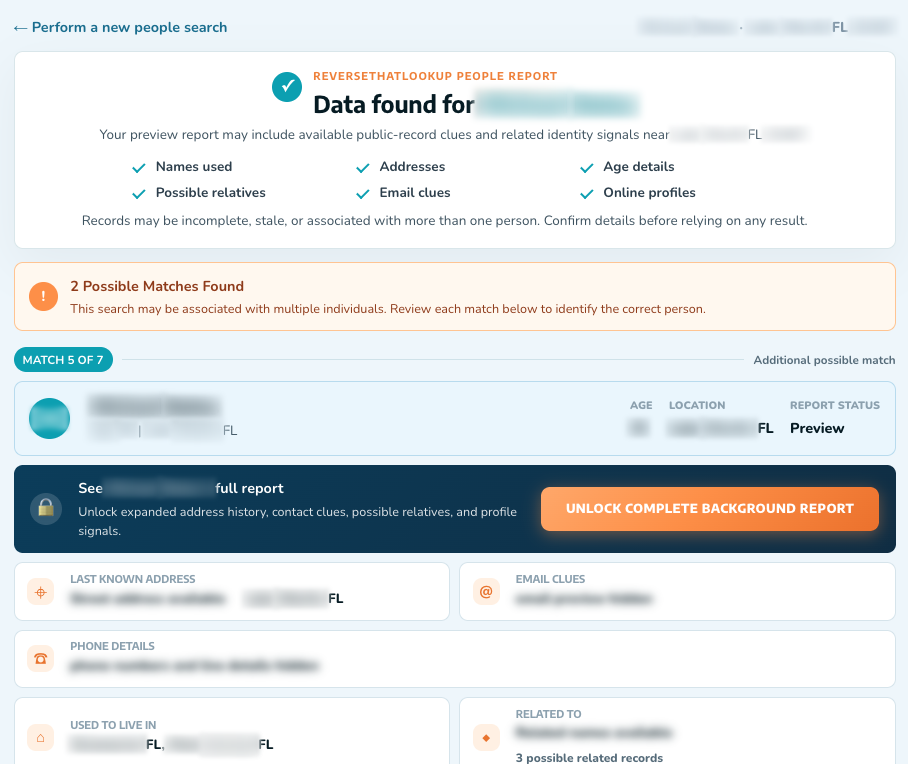
Listen for soft money words that avoid sounding like a scam. “Just until payday.” “A temporary loan I’ll repay double.” “A processing fee so I can access my inheritance.” The text chain often keeps the total vague while the urgency stays sharp.
Gift-card codes read aloud over the phone, crypto wallet addresses, and “account verification” screenshots are common payloads. If the person refuses bank details you could verify and only wants irreversible payment, walk away.
The inheritance and “release fee” lines are borrowed straight from advance-fee fraud, and our explainer on how 419 advance-fee scams work shows why the fee never ends. File complaints with the FBI’s Internet Crime Complaint Center (IC3) when money or identity data already moved.
How does the text chain escalate?
A typical scam text chain does not open with a wire request. It opens with warmth, mirrors your interests, and replies almost instantly, often at odd hours that match a different time zone or a shift-based fraud crew.
Stage one is rapport and love-bombing. Stage two is platform migration and secrecy. Stage three is the crisis or investment pitch. Stage four is either a larger ask or quiet disappearance once you refuse. Mapping your chat to those stages is more useful than debating a single line. Stage two often lands on an encrypted messenger, and our breakdown of common Signal app scams covers what the move to a private app is really for.
Save screenshots, note the phone number and usernames, and stop all payments immediately if you recognize the pattern mid-stream. You can still report even if you feel embarrassed; investigators see the same scripts daily. The BBB’s Scam Tracker is another place to log patterns that help other consumers.
What to do when the language feels wrong
Pause contact. Do not send more money “to get the last transfer back.” Run independent checks on the phone number and any name they gave you. Tell a trusted friend; breaking isolation is part of defense. If you want to pin down who is really behind the profile, our step-by-step guide to catching a catfish with reverse searches walks through photo, name, and number checks.
If you already shared bank details or a scan of your ID, monitor accounts, consider a credit freeze, and change passwords on email and payment apps. Report to the platform, the FTC, and IC3. Keep the chat log; it is evidence, not a souvenir of a failed romance.
| Phrase pattern | What it tries to do | Healthier response |
|---|---|---|
| Soulmate / destiny talk in days | Short-circuit skepticism | Slow down; require live video |
| “Keep this private” | Block family reality-checks | Tell a trusted person anyway |
| Urgent fees / stranded stories | Force irreversible payment | Refuse money; end the chat |
| Broken camera / bad internet | Avoid identity proof | Set a hard video deadline |
| “If you loved me…” | Replace proof with guilt | Treat guilt as a stop sign |
Frequently Asked Questions
What are common romance scammer phrases?
Common lines include early soulmate claims, secrecy requests, overseas job stories, broken-camera excuses, and urgent money asks framed as love tests. No single phrase proves a scam, but several patterns together, especially before any real-world meeting, should stop you from sending money or IDs.
Is love-bombing always a scam?
Intense early praise can appear in real relationships, but online strangers who lock you into forever-talk within days while blocking video are using love-bombing as a tool. Judge the full pattern: secrecy, payment pressure, and refusal to verify matter more than one gushy message.
What should I do if I already sent money?
Contact your bank or payment provider immediately, report to IC3 and the FTC, and tell the dating platform. Do not send a second payment to “unlock” or recover funds. Save messages, wallet addresses, and phone numbers for investigators and for your own records.
Can reverse lookups help before I meet someone online?
Yes. Checking a phone number or name against public records can surface mismatches with the story they told you. Lookups are not a full identity investigation, but they are a fast way to test whether the persona holds together before emotions and money get involved.