

How to stop Dynata calls without guessing
How to stop Dynata calls starts with asking Dynata to add your number to its no-contact list, then blocking repeat numbers and reducing where your phone number appears online. Treat any caller asking for money, passwords, banking details, or remote access as suspicious, even if the caller name says Dynata.
For a closer look at how a legitimate call unfolds and what the caller should never ask, see the breakdown of Dynata survey phone calls before you apply the steps below.
Why Dynata may be calling you

Dynata is a market research company, so a real call is usually about a survey, poll, or research panel. That does not mean the call is welcome. It also does not mean every call using the Dynata name is genuine.
Your number may have come from a survey list, a data provider, a form you filled out, public records, or an old account that still has your contact details attached. Phone lists travel. Once a number is in circulation, blocking one caller ID often solves only the call in front of you.
Picture a phone that rings at dinner three nights in a row. The caller says the survey will take five minutes, but the number changes each time. That pattern is why you need both a direct opt-out request and basic phone-level blocking.
The reasons behind that pattern, from panel memberships to purchased lists, are covered in the explainer on why Dynata is calling your number.
Use Dynata’s no-contact request first
Start with the company source, not a random web form. Dynata’s public call page lists a no-contact request line: 1-833-757-1746 from within North America and 1-801-341-0764 outside North America. Call from the phone number receiving the survey calls if possible.
Keep the request simple. Say you do not want future survey calls and want the number placed on the no-contact list. Do not provide extra personal details beyond what is needed to identify the number.
Give the request a little time to work. Research call systems and vendors do not always update instantly, and a separate campaign may still have your number for a short period.
| Step | What to do | Why it helps |
|---|---|---|
| 1 | Ask Dynata for no-contact status | Targets the source of legitimate survey calls |
| 2 | Block repeat caller IDs | Reduces calls that continue from known numbers |
| 3 | Register at the national do-not-call site | Adds protection against many sales calls |
| 4 | Remove exposed phone listings | Cuts down future list-building from public sources |
Block the numbers, but do not rely on blocking alone

Blocking is still worth doing. On most phones, you can open the recent call, choose the information icon or menu, and block the caller. The next call from that exact number should be stopped or sent away quietly.
The weakness is rotation. Survey operations and imposters can use more than one caller ID, so a block list may grow without solving the underlying exposure. Use it as a cleanup step, not the whole plan.
Register for broader call protection
The National Do Not Call Registry is built for telemarketing calls, not every survey or political call, but it is still worth using. If your number is not registered, add it. If it is already registered, you can verify that status.
The registry will not stop every unwanted call. Scammers ignore rules, and some categories of calls may be treated differently from sales calls. Still, registration makes it easier to recognize calls that should not be happening and report repeat abuse.
Check whether your number is easy to find
If Dynata or an impersonator has your number, look at the wider trail. Search for your phone number in a browser, check old directory pages, and remove it from public profiles where you can.
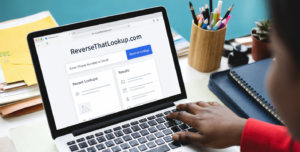
A reverse phone lookup can help you see how a number appears from the outside. If your phone number is tied to old addresses, relatives, usernames, or public listings, a people search can help you spot the broader exposure that keeps feeding call lists.
Do not over-share during opt-outs. Some shady removal pages collect more information than they remove. Use official company pages, privacy request forms you can verify, and your phone carrier’s call tools first.
The same exposure applies to your inbox, and the habits for keeping your email address private cut down the list-building that feeds both survey calls and spam.
Know when the call is not really Dynata
A legitimate survey should not require payment, gift cards, bank credentials, Social Security numbers, passwords, or screen-sharing access. If the caller pushes for any of that, end the call.
The FTC consumer site regularly warns about impersonation scams, and the pattern matters here: a familiar company name can be used as bait. Caller ID is not proof. A calm voice and a survey script are not proof either.
If you clicked a suspicious text link or shared sensitive information, change passwords and watch financial accounts. If the call included threats, wire transfers, crypto, or account takeover instructions, treat it as a scam report rather than a survey nuisance.
A quick refresher on what Dynata Research is makes impersonators easier to spot, because a real survey firm has no reason to discuss payments or account access.
Lower the chance of future survey calls
Use a secondary number for coupons, contests, loyalty programs, and downloads that do not truly need your main phone. Remove your number from social bios, public resumes, old business listings, and community pages when possible.
Turn off contact syncing in apps that do not need it. Review privacy settings on shopping, delivery, finance, and social accounts. A single form may not explain every call, but repeated oversharing gives list builders more chances to connect your name and number.
For how to stop Dynata calls long term, think in layers: direct no-contact request, phone blocking, registry status, and less public exposure. One step may reduce calls. The stack works better.
Frequently Asked Questions
How do you stop calls from Dynata?
Call Dynata’s no-contact line and ask that your phone number be removed from future survey calls. Then block any repeat caller IDs and review where your number appears online. If a caller asks for payment, passwords, account codes, or remote access, treat it as an impersonation attempt.
What should you do if Dynata keeps calling after a no-contact request?
Use the no-contact request first, because that addresses legitimate Dynata survey outreach directly. Keep a note of the date you called and the number that was contacted. If calls continue from changing numbers, combine carrier blocking, phone settings, and public-number cleanup.
What is the practical order of steps to stop Dynata calls?
The practical order is direct opt-out, blocking, registry check, and exposure cleanup. A real survey call is usually just unwanted, but an imposter may use the same name to get sensitive information. Do not verify private details unless you initiated contact through an official channel.