
What is Dynata Research?
Dynata is a legitimate research and survey company that provides audience data, panels, and market-research services. A real Dynata call may be about a survey, but scammers can spoof names and numbers. Treat any unexpected call cautiously, verify the caller, and never share sensitive financial or identity information.
When the calls keep coming even after you have verified the caller, there are practical ways to stop Dynata calls from reaching your phone.
Why Dynata may contact people
Dynata describes itself at dynata.com as a data and research company that helps organizations reach survey audiences and measure opinions, behavior, and campaign results. In plain English, companies, researchers, agencies, and institutions may use Dynata to collect survey responses.
That does not mean every call showing the name is real. Caller ID can be incomplete, mislabeled, or spoofed. A scammer can make a phone display show a familiar company name while the call actually comes from somewhere else.
The safest stance is balanced: Dynata itself is not automatically a scam, and an unexpected call is not automatically safe. Verify before you answer personal questions.
What a survey call should and should not ask
A normal research call may ask opinion questions, demographic screening questions, or whether you want to participate. It should not pressure you to send money, buy gift cards, share banking credentials, reveal one-time passcodes, or provide a Social Security number.
| Call behavior | How to read it | What to do |
|---|---|---|
| Asks if you will answer survey questions | Could fit normal research outreach | Continue only if you are comfortable |
| Requests bank details, passwords, or codes | Not a normal survey request | Hang up and report if needed |
| Uses threats or urgent deadlines | Strong scam signal | Do not engage |
| Will not identify the sponsor or topic | Worth questioning | Ask for verification or decline |
| Calls repeatedly after you decline | May be nuisance calling or spoofing | Block, document, and consider reporting |
For readers still wondering what prompted the contact, a closer look at why Dynata might be calling walks through the usual reasons behind these survey calls.
What the research work is about
The company works in the market-research world: surveys, audience access, data quality, advertising measurement, and related research services. The exact topic of a call can vary because different clients may need different survey audiences.
You do not have to participate. If the timing is bad, the subject feels too personal, or you simply do not want survey calls, you can decline. A legitimate caller should not need you to explain yourself.
If you are curious but unsure, ask who sponsored the survey, what information will be collected, how long it will take, and whether your answers are anonymous or confidential. If the answers are vague, end the call.
Why they may be calling you
You may be called because your number is part of a sample for a survey, because a client is seeking responses from people in a certain area or group, or because a number list includes you. That can feel intrusive even when the purpose is research.
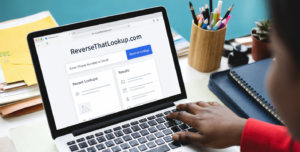
If the same number keeps calling, use your phone’s block controls. If the number changes constantly, the displayed name may not tell the whole story. A reverse phone lookup can help you review public clues tied to a number, and a people search may help when the call connects to a named person or local contact claim.
The National Do Not Call Registry at donotcall.gov is aimed at telemarketing, not every kind of survey or political call. Still, it can reduce some unwanted sales calls and gives you a place to report numbers that violate the rules.
What a survey call may sound like
A Dynata Research call is usually described as survey outreach. The caller may ask screening questions to see whether you qualify, then ask opinion or consumer questions. You can ask for the company name, survey topic, privacy details, and a callback or website for verification.
Do not let the word “research” lower your guard. Scam callers often borrow official-sounding language. The Federal Trade Commission’s consumer guidance is a good baseline for spotting requests that cross from ordinary outreach into fraud risk.
A fuller picture of how Dynata survey phone calls typically unfold can help you recognize a genuine request before you decide whether to participate.
Why caller ID is not enough proof
Caller ID is a label, not a verified identity document. A call can display a company name because of carrier data, third-party databases, old number ownership, or deliberate spoofing. That is why a familiar label should never be the only reason you share information.
Ask the caller to identify the company, the survey topic, and the privacy terms. If they provide a website, type it yourself instead of following a link from a text message. If the caller refuses basic verification, end the call.
You also have permission to be brief. “No thanks” is enough. A real survey does not require you to stay on the phone after you decline.
How to handle repeated or suspicious calls
Keep a simple log if the calls are frequent: date, time, number, caller ID label, voicemail details, and what was requested. Patterns matter, especially when numbers rotate or the caller changes stories.
If you answer and the call feels wrong, hang up without debating. Do not press a number to be removed unless you trust the caller. With suspicious robocalls, button presses can confirm that your number is active.
Block numbers that repeat, silence unknown callers when appropriate, and check voicemail before returning calls. If a caller claims to represent a company, go to that company’s official site yourself rather than relying on a number provided during the call.
Voicemail can help you slow the situation down. A legitimate caller should be able to leave a clear message with a company name and general reason for calling. Even then, use a verified website or main switchboard for callbacks when the message asks for personal information.
Do not let repetition make the call feel more trustworthy than it really is today.
Frequently Asked Questions
what is dynata research
Dynata Research generally refers to Dynata’s survey and market-research work. The company provides audience data, panels, and research services for organizations. A call using the Dynata name may be legitimate survey outreach, but caller ID can be spoofed, so verification still matters.
what is dynata research about
It is about collecting and analyzing survey responses, audience information, and research data for clients. Topics can vary by project. If you receive a call, ask what the survey covers, who is sponsoring it, how your answers will be used, and whether participation is optional.
what is dynata research and why are they calling me
They may be calling because your number was included in a survey sample or because a client wants responses from people in your area or demographic group. You can decline, ask for verification, or block the number if the outreach becomes unwanted.
what is dynata research call
It is typically a phone survey or screening call connected to market research. A legitimate call should not ask for bank passwords, payment codes, gift cards, or sensitive account access. If the call pressures you or asks for secrets, hang up.