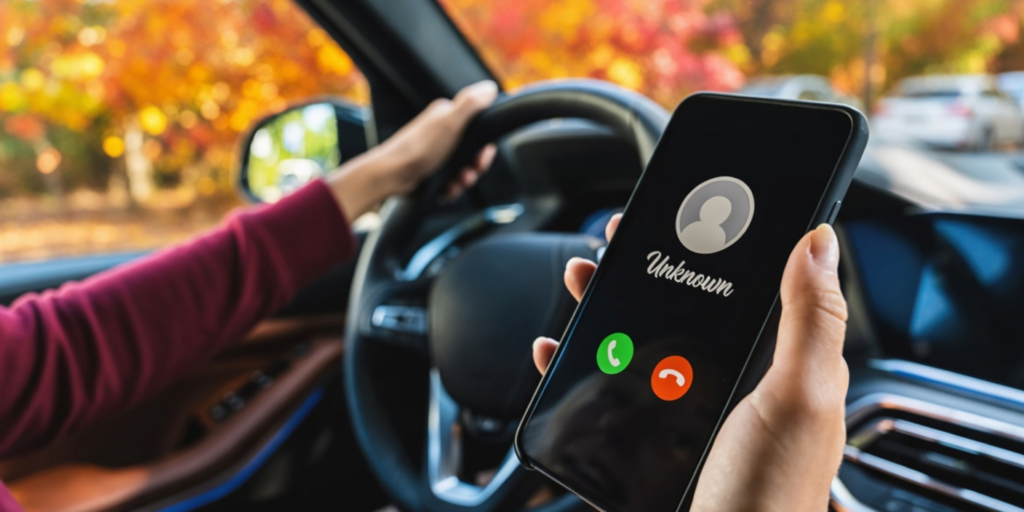
When your phone lights up with a blank or labeled mystery line, you need a quick read on no caller ID meaning before you decide to pick up. Carriers and handsets use several labels for the same basic idea: the network did not deliver a usable calling number to your device. That can be intentional privacy, a network glitch, a business line configuration—or a scam testing whether your line is live.
No caller ID meaning in plain terms
No caller ID means the network did not pass a displayable number to your phone. You may see “No Caller ID,” “Private Number,” “Blocked,” “Restricted,” or “Unknown,” depending on the carrier and device. The call can still connect; only the identifying digits are hidden or missing. Treat the label as a signal to verify context, not as proof of who is on the other end.
That short answer covers the core search intent. The rest of this guide separates labels that sound alike, explains how people and systems suppress numbers, and lays out practical next steps when you need more than a mystery ring.
Search traffic clusters around wording like “what do no caller id mean” because the display text feels absolute. It is not. Your phone is reporting what the signaling path delivered—not a verified identity, and not always a deliberate block by a person you know.
What is unknown caller on your screen
Ask what is unknown caller and you are usually looking at a device- or carrier-specific presentation, not a legal category. On many phones, “Unknown” appears when the system has no contact match and no usable caller ID string. It can also appear when spam filters or network equipment strip or fail to attach number data mid-route.
Unknown is broader than private. A private or blocked presentation usually reflects an intentional hide. Unknown can mean intentional hide, incomplete signaling, an international or VoIP path that never sent a standard number field, or simply a number not saved in your address book—depending on how your OS labels the event.
Mini-scenario: you miss a midday ring marked Unknown, then get a voicemail from a clinic confirming tomorrow’s appointment. The label did not mean “scam”; it meant your phone never received a clean number string to match against contacts. Silence plus a legitimate voicemail is a different story from silence plus a threatening callback request.
If you later obtain a real number from voicemail, a text thread, or a callback, a reverse phone lookup can help you map that line to public listings and related records before you re-engage. That step is especially useful when the voicemail name is vague—“this is Chris from billing”—and you need context before dialing back.
Family plans add noise: work desk phones, borrowed devices, and travel SIMs often fail to match a saved contact card. When the relationship is real, a quick text on a known channel clears confusion faster than a cold callback to a mystery line.
Private number, blocked, and restricted labels
Private Number, Restricted, and Blocked usually indicate caller ID blocking or a carrier-side policy that withholds the number. Consumers can hide a single outbound call with star codes on many U.S. lines; businesses and some services suppress ID by default. The person calling may be protecting privacy for a good reason—or avoiding accountability.
Blocking is not the same as your personal block list. When you block someone, their calls may go to voicemail or fail depending on settings; when they block their own ID, the call still tries to reach you, just without digits on the banner. Confusing those two “block” ideas leads people to assume the network already filtered a pest when it only stripped the display.
Creditors, certain healthcare callbacks, and some workplace extensions have historically used suppressed ID. So have robocall operations that rotate tactics. The label alone cannot sort good faith privacy from abuse.
Frequency and message quality still beat the label: one private ring with a calm, specific voicemail differs from ten restricted rings that hang up at the beep.
How people and systems hide a number
On many landlines and mobile accounts, dialing *67 before a number requests per-call ID blocking for that attempt. Carriers document related options and limitations; Verizon’s support pages on caller ID block FAQs outline how hide/show behavior works on their network, including that emergency and some special services may still receive identifying information.
Phones also expose settings such as “Show My Caller ID” (wording varies by iOS and Android version). Turning that off can make your outbound calls present as private or unknown to others. Apps and business VoIP trunks may omit ANI (automatic number identification) fields customers expect from traditional lines.
Networks can fail delivery even when the caller did not opt out. Ported numbers, handoffs between carriers, international gateways, and overloaded spam filters all create empty or generic labels. Do not assume malice from a single odd presentation—look for pattern and message content.
Journalists and privacy-minded people sometimes hide ID deliberately when contacting sources or avoiding unwanted return spam. Kim Komando’s overview of ways to block your number reflects how common consumer tools for outbound privacy remain in everyday use.
Spoofing is separate from honest privacy tools. Criminals can display a number that is not theirs—including a bank’s published line. Spoofed calls often show full digits, not “private.” Keep those failure modes distinct so you do not over-trust a familiar-looking string either.
Side-by-side: unknown, private, and no caller ID
Use this table as a field guide, not a courtroom standard. Labels differ by handset skin and carrier, and the same underlying event can print different words on two phones sitting side by side in the same kitchen.
| What you see | Typical cause | Number available to you? | Practical response |
|---|---|---|---|
| No Caller ID | Suppressed or undelivered ID string | Usually no on-screen digits | Let ring to voicemail; verify later |
| Private Number / Restricted | Intentional outbound hide (*67, settings, PBX) | No on banner | Do not confirm personal data if you answer |
| Blocked (caller-side) | Same family as private/restricted | No | Treat like private; watch for repeat pressure |
| Unknown | No match / incomplete ID / device label | Sometimes still in logs | Check recent calls list and voicemail |
| Spam Likely / Scam Likely | Carrier or app reputation score | Often yes, with warning | Ignore; report patterns to carriers/FTC |
Notice that “Spam Likely” often still shows a number. That is easier to investigate than a fully blank private ring. When a scammer spoofs a local exchange, you may see a familiar area code with a reputation tag—or no tag at all. Labels help; they do not replace judgment.
Risks of answering versus always declining
Answering can confirm a live human, which some robocall systems treat as a signal to sell or reuse your line. It can also put you on a debt collector’s or marketer’s active list if the call is legitimate but unwanted. If you do pick up, do not share SSNs, one-time codes, remote-access permission, or payment details based on urgency.
Never answering unknown or private rings has a cost too. In 2021, reporting covered a lost hiker who ignored rescue-related calls because the numbers looked unfamiliar—a reminder that strict filters can delay help when minutes matter. The Guardian summarized that case in coverage of a hiker who ignored rescuers’ unrecognized numbers.
A workable middle path for many households: default to voicemail for private and unknown rings, keep voicemail greeting neutral, and return only calls that leave a specific, verifiable reason. For expected medical, school, or travel logistics, pre-save those organizations’ numbers so fewer legitimate rings look blank.
If a voicemail claims government action, package holds, or bank freezes, hang up on the return path they dictate. Look up the organization independently and call a published number. The FTC’s consumer site at consumer.ftc.gov walks through common impersonation patterns and reporting options when pressure tactics appear.
On-call roles cannot adopt a pure “never answer strangers” rule. Lean on shared calendars, expected windows, coworker chat apps, and pre-agreed verification phrases instead of trusting any single lock-screen label.
What you can do after a mystery ring
Check Recents for any partial digits, duration, or secondary labels. Some devices log more than the banner showed. If a number appears after the fact, reverse-search it before calling back. Pair that with a people search when you have a name from voicemail and need to separate a real local business contact from a random spoofed identity.
Carrier call-trace and last-call return codes (*57, *69 and variants) still exist on some landline-style plans, often with fees and limited usefulness against modern VoIP spam. Confirm current availability with your provider rather than assuming the 1990s playbook still works on pure wireless.
Document harassment: dates, times, message content, and screenshots. Pattern evidence matters if you escalate to the carrier, employer security, or law enforcement. One odd private call is noise; a campaign of late-night restricted rings with threats is a case file.
Silence marketing and riskier channels where you can: National Do Not Call registration reduces some legitimate telemarketing, not criminals. Still worth doing as hygiene. Use built-in silence unknown callers features if your life does not depend on unscheduled outreach, and maintain an allowlist for family and critical services.
If the same private pattern follows a new SIM, the issue may be account-level—broker lists, old form fills, or a breached email—not one phone number. Cleanup means stronger passwords, less public posting of your mobile, and a secondary line for marketplaces when needed.
iPhone, Android, and carrier tools that change the label
On iPhone, Silence Unknown Callers sends non-contact, non-recent numbers toward voicemail; it does not magically unmask private lines, but it reduces the interrupt cost of random rings. Focus modes and carrier spam filters add another layer. Android skins offer similar caller-ID and spam folders under slightly different menu names.
Carrier apps increasingly classify spam before the phone rings. Those scores lag new campaigns and can misfire on legitimate local businesses with poor reputation data. If a trusted clinic keeps landing in spam, add it to contacts rather than disabling protection entirely.
Business lines routed through cloud phone systems may present as your main company number, a generic trunk, or nothing useful. Employees calling personal mobiles from those systems often look “unknown” to recipients. If you run a team, publish a callback policy so customers are not trained to ignore every blank ring.
For outbound privacy on your own line, understand that hiding ID reduces returned spam but also reduces trust when you contact people who screen aggressively. Use it selectively—not as a permanent default—if you need people to answer you back.
Third-party “unmask” apps promise to reveal private callers. Results vary, and some products are little more than lead-gen funnels. Prefer carrier tools and lookups on numbers you actually have over apps that demand a contacts upload for a vague unmask feature.
How to decide in the moment
Expecting a delivery window, school nurse, or hospital callback? Glancing at the clock and letting a private ring go to voicemail for thirty seconds is usually safer than blurting “yes” into a cold open. Listening without speaking can still mark some automated systems as answered—another reason voicemail-first helps.
If the caller claims emergency authority, demand a callback number you can verify independently. Real emergencies leave records; impostors invent deadlines. Write down what was said. Emotional pressure is a tool, not proof.
Repeated private rings without messages after you stop answering often fade. If they escalate to threats or stalker-like timing, involve your carrier’s harassment desk and, when appropriate, police with your log. Do not engage in long arguments that teach the caller which buttons provoke you.
When a number finally surfaces—through a second channel, a shared family plan log, or a slip in the attacker’s process—investigate before confrontation. Lookup tools organize public information; they do not replace legal advice or law-enforcement process when safety is on the line.
Agree on a household playbook: voicemail first for private and unknown, no payment info from inbound strangers, and a shared note of nuisance patterns so scammers cannot shop the most cooperative person in the house.
Frequently Asked Questions
What do no caller ID mean?
It means your phone did not receive a displayable calling number for that attempt. The caller may have hidden the number, or the network may have failed to deliver ID data. The call can still complete. Use voicemail and independent verification instead of sharing personal details based on the ring alone.
What does no caller ID mean on iPhone?
On iPhone, “No Caller ID” is the system’s label when no number string is available to show or match to Contacts. It is not a special Apple-only call type. Silence Unknown Callers can reduce interruptions from non-contacts, but it will not reveal a suppressed number by itself.
What does it mean when a call shows private number?
Private, restricted, or blocked presentations usually indicate intentional outbound caller ID hiding or a business system configured not to send a number. Treat them like other no-ID calls: prefer voicemail, avoid confirming sensitive data, and investigate only if a real number or verifiable message appears later.
Is an unknown caller always a scam?
No. Unknown can include clinics, schools, logistics partners, and privacy-conscious people, as well as spam. Scams become more likely with urgency, secrecy, payment demands, or requests for remote access. Pattern, message content, and independent callbacks matter more than the single word on the banner.