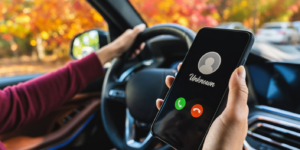
Unknown caller meaning is simple on the surface: your phone could not attach a name or trusted identity to the inbound attempt, so it falls back to a generic label. That fallback can cover blocked numbers, incomplete network data, contacts you never saved, or spam the carrier has not scored yet. The words on the screen describe a display failure—not a verified verdict about the human or robot behind the ring.
Unknown caller meaning in everyday use
When people ask what an unknown caller means, they want to know whether to answer. The accurate reply is that the label only reports missing or unmatched identity data. It does not certify safety, danger, local origin, or government authority. You still need voicemail content, call patterns, and independent callbacks to decide what happens next.
Phones and carriers invent slightly different strings for the same underlying mess: Unknown, No Caller ID, Restricted, Private, Spam Likely, or a bare number with no contact name. Learning the family of labels matters more than memorizing one brand’s wording. For a direct label-by-label comparison, see unknown caller vs private number.
Search queries like “what does a unknown call mean” spike because the experience feels personal—someone reached into your pocket without a name tag. Technically, it is a signaling and database problem that happens millions of times a day across wireless and VoIP paths.
How caller identity is supposed to travel
On traditional phone networks, the originating side attaches number information and, sometimes, a display name drawn from carrier databases often discussed as CNAM-style lookups. The terminating carrier presents whatever it received and whatever its own spam engines add. Those name databases are not one universal phone book; new or lightly used lines can take time to show a friendly name everywhere.
Mobile handsets add another layer: your Contacts app. If the number is absent, many interfaces emphasize “unknown” even when digits are present. That is why a clinic line you never saved can look as anonymous as a blocked pest. Saving important numbers after legitimate contact shrinks the unknown pile without weakening spam filters.
Industry efforts such as STIR/SHAKEN aim to cryptographically sign calls so providers can mark some traffic as more trustworthy. Overviews of STIR and SHAKEN explain the certificate model in technical depth. Consumers mostly see the outcome as labels like “valid” versus warning tags—not a full identity dossier.
Validation is also uneven across networks and call types. A signed call can still be unwanted marketing. An unsigned call can still be your pharmacist. Treat analytics tags as hints that stack with other evidence, never as courtroom proof.
Why legitimate calls still look anonymous
Doctors’ offices, pharmacies, schools, delivery logistics desks, and political or nonprofit call centers often route through trunk lines that present poorly on consumer phones. Staff may dial from a central system that does not match the public number printed on their website. A single missed “unknown” ring followed by a precise voicemail is a common benign pattern.
People also hide their own outbound ID for privacy: returning a personal call from a work phone, protecting a home line, or avoiding spam callbacks. Intentional hide codes and phone settings produce private or no-ID presentations on the far end. That privacy choice is legal in ordinary consumer contexts even when it frustrates recipients.
Network glitches remain underrated. Number ports, international handoffs, and overloaded anti-spam equipment can strip fields mid-path. One odd label after a carrier outage is weak evidence of a campaign against you.
Scams, spoofing, and misleading confidence
Fraud operators prefer whichever presentation gets answered. Sometimes that is a spoofed local number that looks neighborly. Sometimes it is a blank private ring that sparks curiosity. The FTC has warned that familiar-looking digits can still be fake; see consumer education on how that is not your neighbor calling when scammers borrow local area codes.
Impersonation scripts lean on fear: bank freezes, tax trouble, package holds, warrant claims. The screen label does not validate those stories. Only a callback to a number you obtain from a statement, official site, or card back does. For broader scam reporting context, start at consumer.ftc.gov.
Mini-scenario: your phone shows Unknown, you answer, and a calm voice says your “warranty department” needs remote access to “remove a virus.” The unknown label was only the door. The remote-access request is the actual threat. Hang up; do not install anything.
What to do when the banner says unknown
Default to voicemail if you are not expecting a time-sensitive call. Keep your greeting free of full name, address, or schedule hints. Return only messages that name a specific reason you can verify through another channel.
When a number eventually appears in Recents, reverse-search it before you engage. A reverse phone lookup organizes public associations around that line. If a voicemail leaves a personal name without digits, a people search can help you test whether that identity looks real in public records before you share anything sensitive.
Enable carrier spam filtering and, if your lifestyle allows, features that silence non-contacts. Expect some false positives on local businesses; add true positives to Contacts rather than turning protection off entirely. For persistent harassment, log times and content, then escalate through your carrier and, when appropriate, law enforcement.
| Signal | More reassuring | More concerning |
|---|---|---|
| Voicemail content | Specific appointment or order detail you recognize | Vague threats, prizes, or payment deadlines |
| Frequency | One attempt, then a clear message | Rapid repeats, hang-ups, late-night pressure |
| Follow-up channel | Email or portal note that matches | Only phone urgency; forbids verification |
| Requests | None, or a callback to a published main line | Codes, remote access, gift cards, crypto |
| After you ignore | Stops or leaves one professional message | Escalates insults or new spoofed numbers |
Device settings that change how unknown appears
iOS and Android both offer tools that send non-contact calls to voicemail or fold them into spam tabs. Those tools change interruption rate more than they decode private lines. Focus modes, scheduled silencing, and per-contact favorites help when you need certain people to break through while strangers wait.
Business users should publish how customers will see outbound calls. If your cloud phone system presents as Unknown to clients, you train them to ignore you. A stable main number, consistent caller name registration where available, and SMS appointment reminders reduce reliance on mystery rings.
If you hide your own outbound ID permanently, expect more ignored callbacks. Use per-call privacy when you need it; leave ordinary personal calls identifiable so trusted people can answer without guessing.
When an unknown call is worth answering
Open the door more readily during windows you already expect: medical scheduling, school early-dismissals, travel disruptions, or a contractor who warned they would call from a field phone. Even then, verify the claim before sharing account numbers or approving charges.
Caregivers and on-call workers may need looser silence rules. Compensate with shared calendars, secondary chat apps for coworkers, and household codes for true emergencies. Technology labels are a weak substitute for those human protocols.
After you pick up, let the other party speak first. Automated systems sometimes mark any answer as a live lead. Saying “yes” to a muffled question can be twisted into consent theater. Ask who is calling and for what purpose, then decide whether to continue.
If you manage phones for relatives, agree on a simple rule set: unknown rings go to voicemail, banks are called back from the number on the card, and no one installs software because a stranger on the line asked. Shared rules beat improvising under stress when the screen offers no name.
Frequently Asked Questions
What does unknown caller mean?
It means your device or carrier could not show a matched contact name or full identity string for that attempt. Causes include unsaved numbers, blocked ID, incomplete signaling, and some VoIP routes. The label is a display state. Judge the call by message content, timing, and verification—not by the word “unknown” alone.
What do unknown calls mean if they keep repeating?
Repeated unknown or private rings often point to robocall retries, debt collection attempts, or harassment. Stop answering, document times, and use carrier spam tools. If threats appear, escalate with logs. A single repeat after a missed clinic call can still be ordinary—listen for a specific voicemail before panicking.
What does an unknown call mean on caller ID specifically?
On caller ID, “unknown” is the interface’s way of saying no useful identity was available to print. Digits may still exist in the call log on some devices. Check Recents, voicemail, and any carrier app history before assuming the network gave you nothing to investigate.
Can I find out who an unknown caller was?
Sometimes. If a number surfaces later, reverse-lookup and public-record style checks may help. Fully blocked ID is harder without carrier cooperation or legal process. Focus on patterns and messages; do not pay random “unmask” apps that demand your entire address book for vague promises.