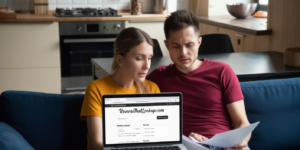


Before you tour a rental, meet a seller, or let a new roommate move in, a reverse address search for safety gives you more than a street-view photo. You get occupant trails, prior listings, and public complaints a drive-by never shows. Pair that desk work with judgment—not panic—and decide who gets your keys, deposit, or home address.
What reverse address search for safety actually delivers
A reverse address search for safety turns a street address into people, history, and risk signals you can verify. In under an hour you can often learn who has been linked to the property, whether the listing story matches public records, and whether open complaints sit on that lot. Use the results to ask better questions and walk away early when stories collapse—not as a court verdict or a substitute for licensed screening when the law requires it.
Crime maps that chart assault, burglary, and theft against national indexes describe neighborhood trends. An address-level reverse search answers a different question: who is tied to this door, and does their story hold up?
Write down the exact address and listing claims
Start with the full street number, unit letter, city, state, and ZIP. A missing unit can point you at the wrong household in a large complex. Copy the price, move-in date, “owner-occupied” claims, and any phone or email the poster used.
If someone texts a partial address (“the blue house on Oak”), demand the full line before you search. Keep a short note of what they promised so you can compare later when names diverge.
Run a reverse address lookup for current and past occupants
Use a dedicated reverse address lookup rather than a raw search-engine dump. Purpose-built tools surface associated names, possible prior residents, and contact traces faster than random property blogs.
Save every name that repeats or matches the person you are dealing with. If the poster claims sole ownership but three unrelated surnames rotate through recent years with no explanation, treat that as a question prompt—not automatic proof of fraud. Once you have a solid name, a people search can add age ranges, cities, and other public trails.
Match names to phones, emails, and online footprints
Check whether each plausible occupant’s phone, email, or social profile fits the story. A “landlord” who only chats on a free app, refuses video, and uses a brand-new email is a different risk profile than someone with years of consistent contact history.
You plan a campus sublet. The reverse address result shows a long-term resident family, but the texter uses a mismatched last name and a phone never linked to those associations. You ask for live video; they stall and push a wire deposit. The search exposed the inconsistency that made the stall obvious.
For tool differences later, see best reverse address lookup sites and best reverse address notes—no single report is gospel.
Scan for complaints, odd uses, and business fronts
Search the street address plus complaint, lawsuit, review, or a business name if the place is mixed-use. Short-term rental fights, stalled renovations, and odd “office” fronts sometimes leave public crumbs.
The Better Business Bureau helps when a company—not a private individual—advertises the unit or a “relocation specialist” tied to that spot. For fake rentals and deposit theft, the Federal Trade Commission’s consumer site explains reporting paths and common patterns. Look for repeated themes: off-platform money, keys that never appear, photos that reverse-image to another city—not one angry review.
Add neighborhood crime and property context without overreading it
After the people layer, glance at local crime maps or police open data if available. Color bands for burglary or vehicle theft describe an area, not one household. A quiet cul-de-sac can sit inside a louder district; a polished condo can still host a bad actor.
Public assessor and recorder sites help confirm whether the claimed owner matches deed or tax records. If the listing says “owner abroad, nephew has keys” and the roll shows a bank or another family, pause before sending money. For related process guides, see reverse directory search by address and the current address lookup guide.
| Safety check | What you look for | Typical next move |
|---|---|---|
| Occupant names | Match or conflict with the poster’s story | Ask for ID or video, or walk away |
| Contact history | New email or phone only; pressure tactics | Insist on official payment rails |
| Deed or tax name | Owner differs from “landlord” | Confirm agency or ownership papers |
| Complaint trail | Repeated deposit or listing fraud themes | Report and stop engagement |
| Area crime index | Personal vs property crime mix | Adjust visit times and habits |
Decide boundaries before you visit or send money
Turn findings into hard rules: no cash deposits; no same-day wire; keys only after matching ID in person; a friend joins the first walkthrough; no full home address in chat until the deal is real.
If the reverse search looks clean but urgency theater kicks in (“ten other people viewing in an hour”), treat urgency as its own risk. Legitimate lessors usually survive a 24-hour pause while you recheck a name.
Capture notes and report clear fraud patterns
Keep a dated note of addresses searched, names returned, and listing screenshots. If you lose money or spot a fake listing ring, report through the FTC process and, for businesses, the BBB. Local non-emergency police lines sometimes take rental-scam reports even when recovery is unlikely.
Re-run the reverse address search if talks drag for weeks; new names on the file are a cue to re-verify before you pay.
Limits you should respect
Public reverse-address data can be incomplete, delayed, or tied to relatives who never lived in the unit. It is not FCRA-compliant tenant screening for housing or employment decisions that require consumer-report rules. For personal safety diligence—meeting someone from online, vetting a sale meetup, or checking a too-good listing—address reverse search remains one of the highest-leverage steps before you show up in person.
Frequently Asked Questions
Is reverse address search for safety legal for personal use?
Personal safety research with public and commercial address data is generally different from using consumer reports to approve tenants or employees. Do not use reverse-lookup reports as FCRA-regulated screening. Verify stories and spot listing fraud; use compliant screening when formal housing or employment decisions require it.
Can a reverse address search show who lives there right now?
Results often show associated names and historical links, not a real-time census of who slept there last night. Freshness varies by source. Treat names as leads and confirm with deeds, video, in-person ID, or official screening.
Does neighborhood crime data replace an address-level check?
No. Crime maps describe area trends such as burglary or vehicle theft. They do not prove the person messaging you controls the unit. Use area context for how you visit, and reverse address search for who is tied to the property.
What if the reverse search returns nothing useful?
Sparse results are common for new builds, rural routes, or privatized data. Lean on property records, live video from inside the unit, licensed agents, and no payment before a verified walkthrough. Empty results mean you need other proofs.