

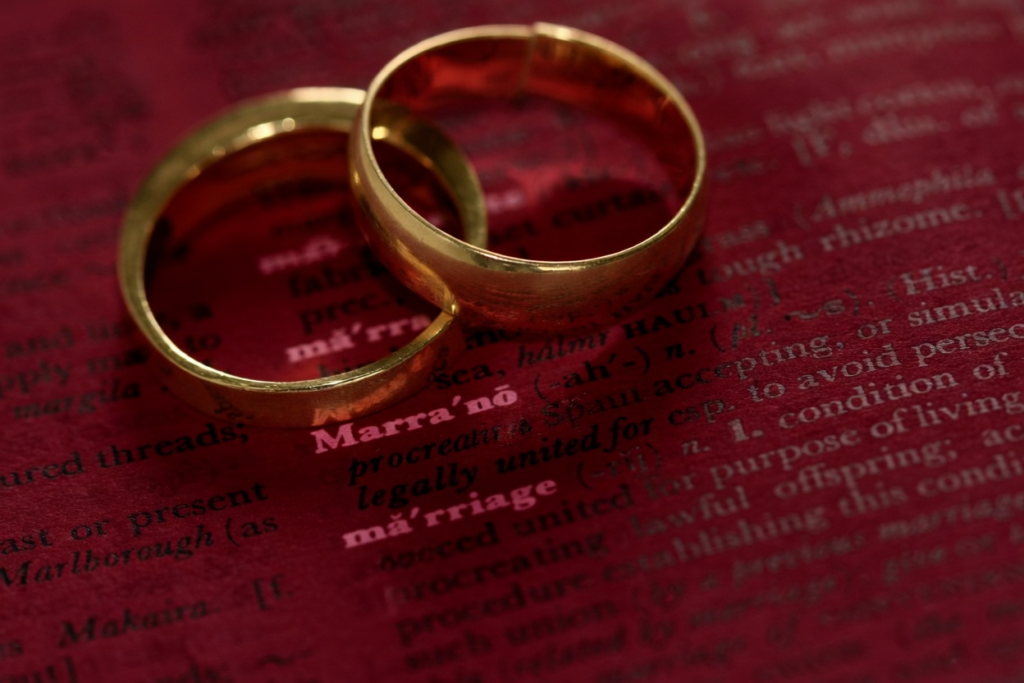
Learning how to find out if someone is married starts with public records and careful identity matching, not with a single app that “knows everything.” County clerks keep marriage licenses and certificates; courts keep divorces; social profiles sometimes state relationship status. None of those sources is perfect alone. Names collide, records lag, and some unions never appear where you expect them.
What actually proves a current marriage
A recent county marriage record, a court file that shows no final divorce, or a combination of license data plus matching identity details is far stronger than a ring-finger tan line or a weekend that always stays “busy.” To check if someone is married in a way that holds up under scrutiny, you need the right legal name, a plausible jurisdiction, and patience with incomplete databases. Behavioral clues can justify more research; they do not replace a record.
People ask this question for dating safety, family history, or suspicion that a partner is double-living. Romance scams also invent spouses—or invent single status—to extract money. The Federal Trade Commission’s consumer guidance at consumer.ftc.gov covers romance fraud patterns worth knowing before you confront anyone based on thin evidence.
Collect the full legal name and likely counties
Start with the most complete name you can document: first, middle if known, last, and prior surnames after earlier marriages or divorces. Add approximate age, cities they have mentioned, and any employer or school that anchors a location. Spelling variants matter; “Jon” and “John,” hyphenated last names, and cultural naming order can hide a record in plain sight.
Marriage paperwork usually lives with the county (or equivalent local office) where the license was issued or the ceremony was recorded—not necessarily where the couple lives now. List every county tied to past addresses, family mentions, or workplace hubs. The National Association of Counties’ County Explorer at ce.naco.org helps you locate official county sites when you only know a region.
If you only have a nickname and a phone number, pause the marriage hunt long enough to firm up identity. A reverse phone lookup may surface a fuller name or city that turns a guess into a searchable record set.
Search county marriage and license indexes

On each county site, look for recorder, clerk, vital records, or “official records” search. Query menus differ: some offer free name search for marriage licenses; others require a written request, a fee, or proof of relationship for certified copies. For a personal decision you often need only an index hit—names, date, certificate number—not a raised-seal copy.
Search both parties’ surnames when you know a partner’s name. Try the years they claimed to be single. If the index returns multiple same-name hits, compare ages, parents’ names when listed, and residence fields. One wrong “Michael Garcia” can send you down a month-long rabbit hole.
Scenario: someone you met online says they have “never been married,” yet an old coworker places them in a specific Texas county five years ago. A clerk index shows a license under their full legal middle name—the one missing from the dating profile. That single middle-name detail is why incomplete profiles make records hard to find and easy to dodge in conversation.
How to find out if someone is married for free often means staying on government indexes first. Free portals vary by state and county; some stop at a paywall for images while still showing enough metadata to confirm a ceremony happened.
| Source | What it can show | Limits | Cost pattern |
|---|---|---|---|
| County marriage index | License or certificate names and date | Wrong county = empty result | Often free to search; copies may cost |
| Divorce / family court docket | Case filed, status, sometimes final decree date | Sealed or limited online access | Portal fees or courthouse visit |
| People-search report | Possible relatives, shared addresses, status flags | Not a vital-record substitute | Subscription or one-time unlock |
| Social profiles | Listed relationship status, photos, tags | Easy to fake or leave outdated | Free if public |
| Property and household records | Co-ownership, same mailing address | Roommates and relatives confuse signals | Often free via assessor sites |
Check divorce and related court files

A marriage record answers “was there a ceremony?” It does not always answer “are they still married?” Search family court or superior court portals in the same counties for divorce, dissolution, or annulment cases under both spouses’ names. Note filing date, whether a judgment appears final, and whether the case looks abandoned mid-stream.
Some states centralize parts of this data; many do not. Rural counties may require a phone call or in-person index book. If you find a divorce decree that predates the person’s claim of being single, that supports their story. If you find a marriage with no later divorce in the places they lived, you still might be missing a filing in a different state—so absence of divorce is suggestive, not absolute proof of a current union.
How to find out if someone is still married is really “marriage minus a solid divorce trail,” reinforced with present-day household evidence. Keep notes with dates and URLs so you do not rely on memory when emotions run high.
Review public social and relationship signals
Public Facebook, Instagram, or LinkedIn fields sometimes list married, engaged, or partnered status. Wedding photos, anniversary posts, and family tags can appear even when the status field is blank. Look for consistency across years, not a single ambiguous caption.
Private accounts limit what strangers see. Do not create fake profiles to friend-request someone under false pretenses. Stick to information already public or shared with you directly. Behavioral patterns—never visiting their home, always paying cash, a second phone, vanishing on holidays—raise questions that records can answer; they are not themselves a marriage certificate. Lifestyle press has catalogued many of these patterns for years, including roundups such as HuffPost’s discussion of signs a partner may be married at huffpost.com, but treat lists as prompts for verification, not verdicts.
Run a broader people search for household clues
When you do not know which county to query, a multi-state people search can surface associated adults at the same addresses, possible relatives, and historical locations that point you back to the right clerk. Reports sometimes include a marital-status field drawn from aggregated data; treat that field as a hint to confirm, never as courtroom truth.
Compare the report’s age and prior cities against the person you know. Shared addresses with someone of a plausible spouse age deserve a follow-up on county sites. Property appraiser pages that show two adults on a deed can support a household theory without proving a legal marriage—title and matrimony are different legal facts.
For readers comparing methods, a focused guide on checking if a partner is married online pairs well with this records-first approach when most of your leads are digital rather than geographic.
Cross-check phones, emails, and current addresses
Numbers and inboxes that never appear on the dating profile sometimes belong to a family plan or a long-running household. If a reverse phone report lists other adults, note those names for marriage-index searches. Email domains from old workplaces can unlock LinkedIn histories that mention a spouse in recommendations or volunteer bios—still public text, still not a vital record.
Stay inside lawful, public methods. Do not hack accounts, install stalkerware, or hire someone to trespass. If you are deciding whether to continue a relationship, you can also ask a direct question once and watch whether the answer matches the paper trail. Lying in response becomes its own data point.
Free options versus paid reports
How to find out if someone is married for free usually means county indexes, free court portals, public social profiles, and assessor sites. Paid reports save travel time across many jurisdictions and may bundle relatives and phones, but they can lag or mis-merge identities. Pay only after you have a solid name and at least one geography to validate against.
Watch for upsells that promise “secret marriage databases” with no government source. Shady lookup marketing is a recurring consumer complaint theme; the Better Business Bureau at bbb.org is a reasonable place to research unfamiliar services before you subscribe.
State quirks, including California searches
How to find out if someone is married in California often involves county recorder or clerk systems rather than a single statewide public browser for every historical certificate. Large counties publish different online tools; some older records remain offline. Start with the county of the suspected ceremony or long-term residence, then expand to neighboring counties if the person moved along a known corridor.
Other states differ on what is open online, how divorce privacy works, and whether same-sex or out-of-state ceremonies appear in local indexes. If the person lived abroad, U.S. county search will not capture a foreign civil marriage. Adjust expectations instead of forcing a domestic database to answer a foreign question.
Frequently Asked Questions
How to find out if someone is married for free?
Use county clerk or recorder marriage indexes, free court portals for divorces, public social profiles, and property sites. Free access varies by place; some indexes show names and dates without fees while images cost money. Confirm identity with age and location so you do not celebrate or panic over a stranger’s record.
How to find out if someone is married in California?
Identify likely California counties, then search each recorder or clerk portal for marriage licenses or certificates under the full legal name. Expand to divorce dockets if you need current status. Statewide coverage is uneven online, so empty results may mean the wrong county or a record that is not digitized.
How to find out if someone is legally married?
Legal marriage is a government-recorded status, not a social-media label. Look for a marriage license or certificate in the issuing jurisdiction and check whether a later divorce judgment exists. People-search marital flags and ring photos can guide you to the right office but do not create legal proof by themselves.
How to find out if someone is still married?
Find the original marriage, then search for a final divorce, dissolution, or annulment in places they lived afterward. No divorce in one county is incomplete if they filed elsewhere. Household records and a consistent spouse name across years strengthen the case that the marriage remains in force.