

What is caller ID spoofing?
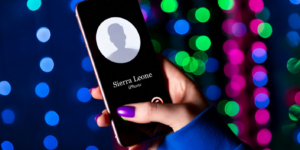
What is caller ID spoofing? It is the practice of making a call or text display a number or name that is not the caller’s real originating number. Scammers use it to look local, official, or familiar so you answer, trust the request, and act before verifying.
The caller ID screen is a label, not proof. A bank name, government agency, school, hospital, or local area code can appear even when the call is coming from somewhere else.
Some spoofing has legitimate business uses, such as showing a main office line instead of an employee’s direct number. The risk begins when someone uses a false display to deceive, threaten, or steal.
How caller ID spoofing and neighbor spoofing phone calls work

Modern calling systems can pass caller ID information through software-based phone services. That makes routing flexible for businesses, but it also gives bad actors a way to choose what appears on your screen.
Scammers often use “neighbor spoofing,” where the displayed number shares your area code or first few digits. The trick is psychological. A local-looking call feels more relevant than a random out-of-state number.
BBB has warned about neighbor spoofing because people are more likely to answer calls that look nearby. Once you answer, the caller may pretend to be a bank, delivery company, tech support desk, government office, or family contact.
Government impersonation is one of the most common versions, and fake IRS back taxes calls show how arrest threats and instant payment demands follow a spoofed number.
Caller ID spoofing versus a spoofed number
| Term | What It Means | What You Should Remember |
|---|---|---|
| Caller ID spoofing | The display information is changed. | The screen may not identify the real caller. |
| Spoofed caller ID | The name or number shown is false. | The displayed business or person may be uninvolved. |
| Neighbor spoofing | The number looks local to you. | Local appearance is not verification. |
| Number misuse | Your real number appears on scam calls. | You may receive angry callbacks from victims. |
If you want the related phone-number basics, read how to tell if you’re being spoofed and how to trace a spoofed phone number.
When caller ID masking is legitimate
Not every changed display is a scam. A doctor’s office may show the clinic’s main line instead of a specific desk. A delivery company may route calls through a central number. A business may display a toll-free support line so customers know who is calling.
The difference is intent and behavior. A legitimate caller can tolerate verification. They will not demand gift cards, threaten arrest, ask for one-time passcodes, or punish you for hanging up and calling the published number.
That distinction matters because panic makes spoofing effective. The screen creates trust, then the voice creates urgency. Your job is to break that sequence before you share anything sensitive.
One way to break it is to check the displayed number against the BBB Scam Tracker reports before you respond, since others may have logged the same script.
Common spoofed-identity scams
| Spoofed Identity | Typical Story | Safer Response |
|---|---|---|
| Bank | Your account is locked or a charge must be reversed. | Hang up and use the number on your card. |
| Government agency | You owe money or face legal action. | Verify through official published channels. |
| Family member | An emergency needs cash or secrecy. | Call another trusted family contact. |
| Tech support | Your device or account has been hacked. | Do not grant remote access. |
| Local number | A nearby caller has urgent business. | Let unknown calls go to voicemail. |
The payment and pressure tactics repeat across many impersonation stories, whatever name appears on the screen.
Spoofed texts and callback traps
Spoofing is not limited to voice calls. Text messages can also appear to come from a trusted brand, delivery service, bank, or local number. The message may include a link, fake invoice, missed-delivery notice, or warning about an account hold.
Do not click links from surprise texts. Open the company’s app or website yourself, or call the number printed on your card or statement. If the text claims to be from a person you know, verify through a different channel before sending money or codes.
Callback traps are common too. A voicemail may leave a number that sounds official, but that number leads back to the scammer. Published contact information beats anything provided inside the suspicious message.
FCC caller ID spoofing rules and reports
FCC caller ID spoofing guidance focuses on deceptive or harmful use. A displayed number can be legitimate in some business contexts, but using a fake caller ID to defraud, cause harm, or wrongfully obtain something of value is the dangerous pattern consumers encounter.
If you receive suspicious calls, the FCC complaint form at consumercomplaints.fcc.gov is one reporting option. If the call involves financial loss, threats, or internet-enabled crime, the FBI’s IC3.gov may also apply.
Do not assume the displayed agency number means the agency called. The FBI has warned about scammers spoofing FBI phone numbers in government impersonation fraud.
Warning signs during the call
The number is only one clue. Listen to the request. Scammers push urgency, secrecy, fear, or reward. They may say your account is frozen, your Social Security number is suspended, a warrant exists, a package failed, or a family member needs money.
Payment method is a major signal. Gift cards, crypto, wire transfers, payment apps, and requests for one-time codes should stop the conversation. The FTC’s scam resources at consumer.ftc.gov explain why unusual payment requests are common fraud markers.
A real bank, government office, or utility can let you hang up and call back through a published number. A scammer tries to keep you on the line.
A safe script for suspicious calls
You do not need to debate the caller. Use a short script: “I do not verify information on incoming calls. I will contact the organization directly.” Then hang up. Do not answer follow-up questions, even if the caller sounds annoyed.
If the caller claims to be a relative in trouble, ask for a detail only the real person would know and still call another family member. If the caller claims to be from your bank, use the number on your card. If the caller claims to be law enforcement, call the agency’s public number.
Write down the displayed number, claimed organization, time, request, and payment method. Those notes are more useful than arguing on the line, and they help if you file a report later.
How to verify a suspicious call

Hang up. Do not press keypad options, call back from the recent-calls screen, or text the number. Find the official phone number from a bill, card, statement, secure app, or verified website, then call that number yourself.
A reverse phone lookup can help you review public clues around an unknown number, especially if you keep getting calls from the same display. A people search can help when a caller gives a name, address, or business identity that needs independent checking.
Those checks do not prove who placed the call. Caller ID spoofing means the visible number may belong to an innocent person. Use lookup results as context, then verify through a separate trusted channel.
Keep a small call log if the pattern repeats. Dates, times, displayed numbers, and requested payments can show whether the calls are random spam or a targeted impersonation attempt later.
Missed calls that last a single ring deserve the same logging, because the one ring callback scam counts on curiosity to make you dial an expensive number.
If you shared money or information
Move quickly. Contact your bank, card issuer, payment app, or wire service. Change passwords from a trusted device. If you shared a one-time code, review that account for unfamiliar sessions, recovery changes, or new devices.
Report the incident. BBB Scam Tracker at bbb.org/scamtracker, the FBI’s Internet Crime Complaint Center at IC3.gov, and FCC phone complaint resources at consumercomplaints.fcc.gov may apply depending on what happened.
What to document after a spoofed call
Write down the date, time, displayed number, caller name, organization claimed, amount requested, payment method, callback number, and any links or codes mentioned. Keep voicemails and screenshots. Small details can connect one call to a broader scam pattern later.
If money moved, keep receipts, transaction IDs, wallet addresses, gift-card numbers, and bank messages. If personal information was exposed, record what was shared and which accounts use that information for recovery.
Do not clean up evidence too quickly. Blocking the caller is fine, but deleting call logs, texts, or emails can make reporting harder.
If your number is being spoofed
You may find out when strangers call back and say you just contacted them. Stay calm. In many cases, scammers rotate numbers and the wave fades after a short period.
Update your voicemail greeting if callbacks become heavy: “If you received a suspicious call from this number, it was spoofed. Please block the call and do not share information.” Do not argue with angry callers; they may be victims too.
Tell your phone carrier if the problem persists. Keep notes on dates, call volume, and any threats. If the spoofing is tied to harassment, financial fraud, or a larger impersonation scheme, report it through the appropriate consumer or law-enforcement channel.
Why blocking alone is not enough
Blocking a spoofed number may stop one display, but it does not stop the caller from using another number. It also may block an innocent person’s real number if their ID was misused. Blocking is useful, but it is not a complete solution.
Build a verification habit instead. Let unknown calls go to voicemail, avoid urgent payment decisions by phone, and teach family members to call back through saved contacts. The goal is to remove the scammer’s advantage: surprise.
If a spoofing wave affects your business or household, tell staff or relatives what story is being used. A short warning can prevent the next person from trusting the same fake caller ID.
Also review voicemail greetings and public contact pages. Scammers can copy names, titles, and hours from public sources to sound more convincing during the next call.
Reducing public detail can make impersonation scripts less specific and less believable over time for everyone.
Replying to taunt a sender is also a poor substitute; the safest way of scaring off a text scammer is to forward the message, report it, and block.
How to reduce future risk
Let unknown calls go to voicemail. Use call filtering where available. Password-protect voicemail. Keep bank and email recovery options current. Do not let a caller walk you through remote access or security settings.
For family members who are often targeted, write a simple rule: no money, codes, or account information from an incoming call. Every urgent request gets a callback through a known number.
AARP’s fraud resources at aarp.org can help families talk about phone scams without blame after a close call.
When the caller sounds like someone you know
Voice confidence is not proof. Scammers may use background information, copied social details, or a rushed emotional story to sound familiar. The safer move is to slow the conversation down.
Ask to call back. Use the person’s saved number, not the number on the incoming call. If the story involves an emergency, contact another trusted person who can verify the situation.
Frequently Asked Questions
What is caller ID spoofing?
Caller ID spoofing is when a caller changes the number or name that appears on your caller ID display. The displayed number may look local, official, or familiar even though the call is controlled by someone else.
What is ID spoofing?
ID spoofing is impersonation through displayed identity information. In phone scams, that usually means changing caller ID. In broader security contexts, it can include forged sender names, fake accounts, or other identity labels used to gain trust.
What is a spoofed caller ID?
A spoofed caller ID is the false label shown for a call or text. It may show a real business, agency, neighbor, or person’s number without that party making the call. Treat the display as a clue, not proof.
What is caller ID spoofing FCC?
In the FCC context, caller ID spoofing refers to false or misleading caller ID information, especially when used to defraud, cause harm, or wrongfully obtain value. Consumers can report suspicious spoofed calls through the FCC complaint process.
Is ID spoofing always illegal?
Changing a displayed number is not automatically criminal in every situation. A business may show its main customer-service number, a doctor may display a clinic line, and a delivery service may route calls through a central system. The problem is deception and harm.
What is being done about caller ID spoofing?
Carriers, regulators, and enforcement agencies use call authentication, complaint data, blocking tools, and fraud investigations to reduce spoofed calls. Those efforts help, but they do not stop every attempt. Consumers still need to hang up, verify through official channels, and report harmful patterns.