

Ticketmaster scams to avoid when buying tickets
Ticketmaster scams to avoid usually involve impersonators, fake resale offers, cloned checkout pages, phishing messages, stolen accounts, or sellers who demand risky payments outside the official flow. Ticketmaster is a legitimate ticketing company, but scammers use its name because buyers trust it. Buy through official channels, verify transfers in your account, and avoid pressure payments.
Is Ticketmaster legit?
Yes, Ticketmaster itself is a legitimate ticketing platform. Tickets bought directly through the official site or official app are the safer path, especially when the event uses Ticketmaster as the primary seller or the resale ticket appears through its verified resale flow.
The risk usually appears around the brand, not inside a normal direct purchase. A scammer may build a lookalike page, send a fake support email, post a ticket on social media, or claim they can transfer a ticket after you pay through a separate app.
That distinction matters. Complaints about fees, availability, or resale prices are not the same as fake-ticket fraud. Common Ticketmaster fraud uses urgency and brand confusion to make you leave the safer path.
How common Ticketmaster fraud works

High-demand events create the perfect setup. A show sells out, prices jump, and fans start searching social media, marketplace posts, comment sections, and search ads. Scammers know buyers are frustrated and rushed.
The offer may look normal at first: two tickets, a believable section, a story about a sudden conflict, and a price just low enough to feel lucky. Then the seller asks for a payment method with no buyer protection, sends a screenshot instead of a real transfer, or moves the conversation to a private app.
A real ticket should end up inside the ticketing account or official app flow before you treat the purchase as complete. A picture of a barcode is not enough.
| Scam type | What it looks like | Safer move |
|---|---|---|
| Clone website | A page that looks official but has a slightly wrong URL | Type the address yourself or use the app |
| Fake support | Email, text, or call claiming your account or order has a problem | Open your account directly, not through the message |
| Social resale | Seller asks for payment before an official transfer | Use protected payment and verify transfer first |
| Gift card demand | Seller or “agent” asks for gift cards, wire, or crypto | Stop the transaction |
| Ticket theft | Someone asks for barcode screenshots or account access | Never share ticket images or login codes |
Clone sites and fake support messages
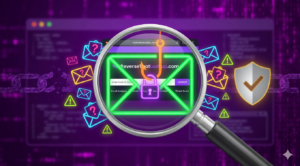
Search ads and copied pages can make a fake ticket site look close enough to pass a quick glance. Check the address bar before logging in, especially when the link came from a search result, text, email, or social post.
Look for misspellings, extra words, unusual domains, and pages that ask for information too early. A cloned checkout may capture your login, card number, address, or account recovery details before you realize the ticket never existed.
The FTC scams resource is useful here because the same impersonation pattern appears across banks, delivery companies, government agencies, and ticket sellers: a trusted name plus urgency plus a link you did not request.
Fake support and account warning messages
A fake support message may say your tickets were canceled, your account is locked, your payment failed, or your transfer needs a fee. The goal is to make you click before thinking.
Do not use the link in the message. Open the official app or type the known web address yourself. If there is a real order problem, it should appear in your account or through the official support path.
Never give a one-time code to a caller or texter. That code may let them reset your password, enter your account, and transfer tickets away from you.
Social media sellers and account theft
Some real fans resell tickets, but social platforms are hard places to verify ownership. A profile can be stolen, newly created, or filled with copied posts. A mutual friend is not proof that the ticket exists.
Ask how the ticket will be transferred, when it will appear in your account, and what payment protection exists if it does not. If the answer is vague, stop. If the seller wants friends-and-family payment, gift cards, wire transfer, crypto, or cash app pressure, stop faster.
A seller who truly owns transferable tickets should not need your password, verification code, or screenshot of your account. They also should not need a fee for a name change if the ticketing platform already supports official transfer.
Ticketmaster account theft and ticket theft
Ticket theft often starts with email compromise. If someone gets into your email, they may reset passwords, find purchase receipts, and access ticket-transfer links. Protect the inbox tied to your ticketing account.
Use a unique password and two-factor authentication. Check email forwarding rules and recovery options if you suspect an account was accessed. Do not reuse a password from a breached shopping, streaming, or social account.
If tickets disappear, preserve emails, app notifications, transfer records, and support messages. Report the issue to the platform quickly and keep your event date in the message so the urgency is clear.
Payment methods and ticket proof that raise risk
Payment method tells you a lot. Scammers like options that are fast, hard to reverse, and outside a ticketing platform’s dispute process. Gift cards, wire transfers, crypto, and friends-and-family transfers are especially risky.
Use payment methods with buyer protection when you must buy outside an official marketplace. Read the protection rules before paying. Some payment apps treat personal transfers as final even when the seller lied.
CNBC reported that about 12% of concert ticket buyers in one survey said they had been scammed. The exact risk changes by event and market, but the pattern is familiar: urgency plus weak payment protection.
QR codes and screenshots are not ownership
Digital tickets make buying easier, but they also make screenshots tempting. A seller may show a barcode, seat map, confirmation email, or wallet screen. Those images can be copied, edited, or sent to several buyers.
For mobile-entry events, the useful question is whether the ticket can be transferred through the official system and appear in your own account. If the seller says a screenshot is all you need, check the venue’s entry rules before paying.
Do not post your own ticket barcode online either. Even a celebratory photo can expose enough information for someone else to try using or selling the ticket.
Sold-out events deserve extra caution
Scams cluster around scarcity. A playoff game, festival, farewell tour, or small-venue show gives scammers a believable reason for high prices and rushed decisions.
Before you buy, compare the event date, venue, section, row, transfer rules, and delivery method. A seller may use real event details while offering a fake ticket. Details make the story feel credible; they do not prove ownership.
Bitdefender’s coverage of U.K. ticket-fraud losses cites £9.7 million in reported ticket-fraud losses for 2024. Large events attract international versions of the same pressure tactics.
Before you travel, verify the ticket path
Ticket scams hurt more when travel is involved. A fake ticket can also waste hotel deposits, flights, rideshares, parking, and time off work. Check the ticket before you commit to the rest of the trip.
If the ticket will not be delivered until close to the event, read the platform’s delivery and refund terms. If you bought from an individual, ask yourself what proof you will have if the ticket never arrives. Hope is not a dispute process.
For expensive trips, official sources and protected resale channels are worth more than a small discount. A bargain ticket can become the most expensive option if it fails at the gate.
Check venue rules before trusting a workaround
Some venues use rotating mobile tickets, delayed delivery, transfer limits, or app-only entry. A seller who says they can bypass those rules may simply be describing a fake workaround. Check the venue or event page before accepting a screenshot, PDF, or promise to meet at the gate.
Check the person behind a private resale

If you are buying from an individual, check whether the seller’s identity makes sense. A people search can help when a name, city, or profile history does not line up. A reverse phone lookup can help when the conversation moves to text.
Do not treat a lookup as a guarantee. A scammer may use a real person’s name, a stolen account, or a phone number that does not belong to them. Use the information to decide whether to continue, ask for safer transfer terms, or walk away.
If the seller gets angry because you want an official transfer and protected payment, that is useful information. A fair seller may be impatient. A scammer needs you compliant.
What to do if you paid a fake seller
Act quickly. Contact the payment provider, card issuer, or bank and explain that the ticket was not delivered or was fraudulent. Save screenshots, receipts, usernames, phone numbers, email addresses, and the listing.
Report the scam through IC3 if it involved online fraud, and use BBB Scam Tracker to document the pattern for other consumers. Also report the profile or listing on the platform where you found it.
If your account was accessed, change your email password first, then the ticketing account password. Check for unauthorized transfers, unfamiliar devices, and recovery settings you did not add.
Frequently Asked Questions
How do you avoid scams on Ticketmaster?
Use the official site or app, type the address yourself, and avoid links from texts, emails, search ads, or social posts when logging in. Verify that resale tickets appear through the official account flow. Never pay with gift cards, wire transfers, crypto, or unprotected personal payments.
How do you avoid Ticketmaster scams?
Focus on Ticketmaster scams to avoid around impersonation: fake support messages, cloned checkout pages, social sellers, and requests for screenshots or login codes. Keep your email secure, use a unique password, and confirm transfers inside your account before treating a ticket as yours.
How do you avoid getting scammed on Ticketmaster?
Buy directly when possible, use protected payment methods, and do not trust screenshots as proof of ownership. If a seller claims urgency, asks you to leave the official flow, or demands a strange fee to transfer tickets, stop and verify through the platform.