
How to Stop Spam Emails
How to stop spam emails starts with training your junk filter, blocking repeat senders, keeping your main address private, and refusing to click or reply to suspicious messages. You may not eliminate spam completely, but you can reduce the volume and lower your risk.
Why am I getting spam emails? Spam usually gets worse after your address appears in a breach, a public profile, a scraped website, or a signup list sold between marketers. A mini-scenario: you download one coupon, use your main email, and within a week the same inbox gets fake shipping notices and prize messages. That is not bad luck. It is exposure.
If a suspicious sender claims to know you, an email lookup can help you check public clues. For messages tied to a name or profile, a people search may provide broader context.
Why spam keeps reaching your inbox

Your email address can end up on spam lists through breaches, scraped websites, public profiles, newsletter signups, old data brokers, or companies that share marketing lists. The sender may not know you personally. They may only know the address is active.
Spam also increases when you engage. Opening remote images, clicking unsubscribe on a fake message, replying with “stop,” or following a link can confirm that someone reads the inbox. That makes the address more valuable.
Mark Spam Instead of Deleting It
Deleting spam clears the message, but it does not teach your inbox much. Use the Spam, Junk, or Report phishing button when the message is unwanted or deceptive. That helps the provider learn which senders, links, and patterns should be filtered next time.
| Action | Use It When | Why It Helps |
|---|---|---|
| Mark as spam | Unwanted bulk mail or obvious junk | Trains the filter |
| Report phishing | Fake login, payment, or account warning | Flags a security threat |
| Block sender | Same sender keeps returning | Stops a repeat source |
| Create a filter | Newsletters or receipts need sorting | Moves clutter without losing mail |
How spammers get my email
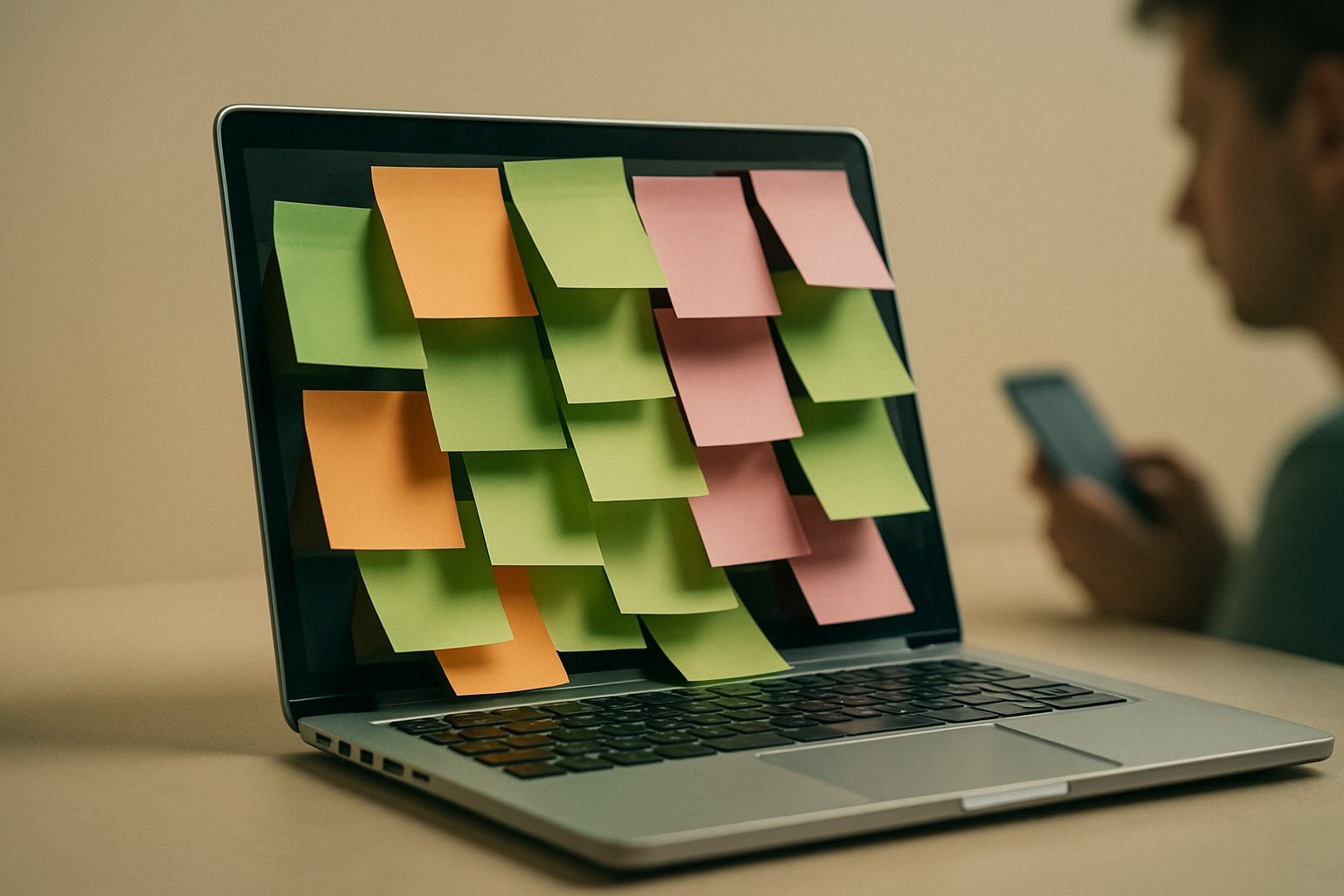
How to stop email spam is partly about what you do before the spam arrives. Use one email for important accounts and another for discounts, downloads, sweepstakes, newsletters, and stores you may never use again.
If a signup form feels unnecessary, skip it. If a store requires an account for a one-time purchase, consider whether guest checkout is available. Every account creates another place where your email can leak, be scraped, or be sold.
Use a Signup Email
Keep your main address for banking, healthcare, work, taxes, and people you trust. Use a second address for shopping, downloads, sweepstakes, and newsletters. If that second inbox becomes noisy, your important accounts stay cleaner.
Some services support plus-addressing, such as name+store@example.com. That can help identify which signup leaked or sold your address. It will not stop every spammer, but it gives you a cleaner audit trail.
Separate Spam From Legitimate Marketing
Not every annoying email is criminal spam. A store you bought from may send too many promotions, while a fake store may send a malicious invoice. The difference matters because legitimate companies usually provide safer preference settings on their actual website.
For real newsletters, use account settings or a trusted unsubscribe link after confirming the sender. For suspicious messages, do not touch the link. Go to the official site yourself or block the sender.
Do Not Reply or Click
Replying to spam can confirm that your address is active. Clicking a link can do the same, and it may also send you to malware or a phishing page. If a message claims to be from a real company, go to the company’s site yourself.
The FTC’s scam guidance at consumer.ftc.gov is a useful starting point when junk mail turns into fake invoices, prize claims, or account warnings. If money was lost, the FBI’s scams resources at FBI.gov can help with reporting paths.
Block Tracking and Remote Images
Tracking pixels can tell a sender that you opened a message. Many email apps let you block remote images by default. That setting can make marketing email less invasive and stop some spammers from learning that you engage with the inbox.
Apple Mail users can review junk-mail controls in Apple’s Mail guide at support.apple.com. Yahoo users can review blocking instructions at Yahoo Help.
Use Blocking and Filtering Rules
Blocking one sender helps when the same address keeps appearing. Filtering helps when the pattern is broader: the same subject phrase, domain, newsletter type, or list marker. Use filters to send lower-risk clutter to a folder and spam reporting for deceptive mail.
Microsoft documents sender and domain blocking behavior for Outlook users at support.microsoft.com. The exact controls vary, but the principle is the same: block repeat sources and train the filter when the message is abusive.
Check for Breaches
If spam suddenly spikes, check whether your address appears in known breaches. Have I Been Pwned can show whether an email address was found in exposed datasets. Change reused passwords immediately.
Do not panic if an email appears in a breach. Treat it as a signal to tighten passwords, turn on multifactor authentication, and move sensitive accounts away from exposed credentials.
When Spam Becomes a Security Problem
Spam becomes more serious when it asks for passwords, payment, tax details, account recovery codes, or identity documents. Fake invoices, delivery notices, and security alerts are common phishing lures. Do not open attachments from senders you cannot verify.
If you lost money or shared sensitive information, preserve the email and report it. IC3 at ic3.gov accepts reports about internet-enabled crime, and BBB Scam Tracker at bbb.org/scamtracker can help document suspicious businesses or impersonation patterns.
For a shorter checklist version, see stop getting spam emails. Use that when you want the quick version; use this guide when you need to understand why the inbox keeps filling up.
Why Spam Comes Back After Blocking
Spam campaigns rarely depend on one address. A sender can rotate domains, display names, subject lines, and sending services. Blocking helps, but reporting and filtering teach your provider about the pattern behind the messages.
Look for clusters. Ten messages about invoices, password resets, or delivery failures may come from different senders but share the same goal. Grouping them by theme helps you decide whether the issue is marketing clutter or active phishing.
Check Your Email Exposure
If one inbox receives most of the junk, search old breach notices and account emails tied to that address. Change passwords anywhere that reused the same credentials. Spam is annoying; credential stuffing is the larger risk when a leaked email is paired with an old password.
Use separate addresses going forward. One address for financial and health accounts, one for shopping, and one for public signups gives you more control. If the public address becomes unusable, you can replace it without moving every important account.
Make Filters Specific
Good filters are narrow. Instead of blocking every message with the word invoice, filter a recurring fake subject phrase, sender domain, or list header. Overbroad filters hide legitimate mail and create new problems.
Review the junk folder weekly at first. Mark real messages as not spam so the filter learns both directions. A trained filter is more useful than an inbox full of manual rules you never check.
Why Spam Filters Miss Some Messages
Filters make probability decisions. A message can look suspicious but still pass because the sender is new, the wording is clean, or the link has not been reported yet. That is why your own reporting matters.
False positives happen too. A real receipt or school notice may land in junk because it uses bulk-mail software. Check the folder before emptying it, especially after changing filter rules.
Set Rules for Risky Attachments
Unexpected attachments deserve a pause. Invoices, resumes, shipping labels, and shared documents are common lures because they feel routine. If you were not expecting the file, verify with the sender through a separate channel.
Do not enable macros or install viewers because an email tells you to. A legitimate company should not require you to weaken your device security just to read a bill.
Protect Your Main Address
Your main inbox is often tied to banking, taxes, healthcare, and password resets. Treat it like an identity document. Do not put it on public profiles, comment forms, giveaway pages, or one-time downloads.
When a site requires email and you do not trust it, use a secondary address. If spam follows, you can abandon or filter that inbox without touching your important accounts.
When to Change Email Addresses
You usually do not need to abandon an address just because spam increased. Change passwords, improve filters, and separate future signups first. If the address is tied to years of banking, tax, and medical accounts, moving too quickly can create missed notices.
Consider a new primary address when the old one is public, heavily breached, and impossible to clean. Move important accounts slowly, update recovery settings, and keep the old inbox monitored during the transition.
Use Folders for Legitimate Clutter
Newsletters, receipts, alerts, and promotions are not always spam. Route them into folders so the inbox stays useful. This makes real scam messages easier to notice because they are not buried under ordinary marketing.
Check Automations and Forwarding
If spam appears in more than one mailbox, check forwarding rules and connected accounts. A rule may be copying junk from an old inbox into your main one. Remove forwarding you do not recognize.
Also review mail apps connected to your account. Old apps and extensions can keep access long after you stop using them. Remove anything unfamiliar before changing filters again.
Also check whether your address appears on a public website, old resume, club page, or directory. Public pages are easy for bots to scrape. Replace exposed personal email addresses with contact forms or less sensitive aliases where possible.
If spam arrives after every new signup, slow down and audit recent forms. One careless signup source can explain a sudden wave.
Small changes compound: fewer signups, better filters, and less clicking give spammers less feedback over time. Consistency matters.
Frequently Asked Questions
How do you stop getting spam emails?
Use your email app’s spam and phishing reporting tools instead of only deleting junk. Create filters for newsletters, unsubscribe only from legitimate senders, and keep your main email private. If a message looks suspicious, visit the company website directly. This keeps risky messages from getting another click.
How do you stop spam emails on iPhone?
On iPhone, mark junk in Mail, block senders where supported, and turn off remote image loading if you want less tracking. For suspicious messages, avoid links and open the company app or website yourself. Use a separate email for risky signups.
Why do spam emails keep coming back after blocking?
Spam campaigns rarely depend on one address. A sender can rotate domains, display names, subject lines, and sending services. Blocking helps, but reporting and filtering teach your provider about the pattern behind the messages. Look for repeated themes, not just repeated sender names.


