
Why Is Dynata Calling?
Why is dynata calling? In most cases, Dynata is calling because a survey or market research project is trying to collect opinions from consumers or business contacts. The call may be legitimate, but you should still verify it, avoid sensitive information, and hang up if the caller asks for money, passwords, or codes.
Dynata is a market research company, so its calls can feel unusual if you did not sign up for anything recently. A real survey call should be about opinions, preferences, or experiences. It should not require bank details or remote access to your device.
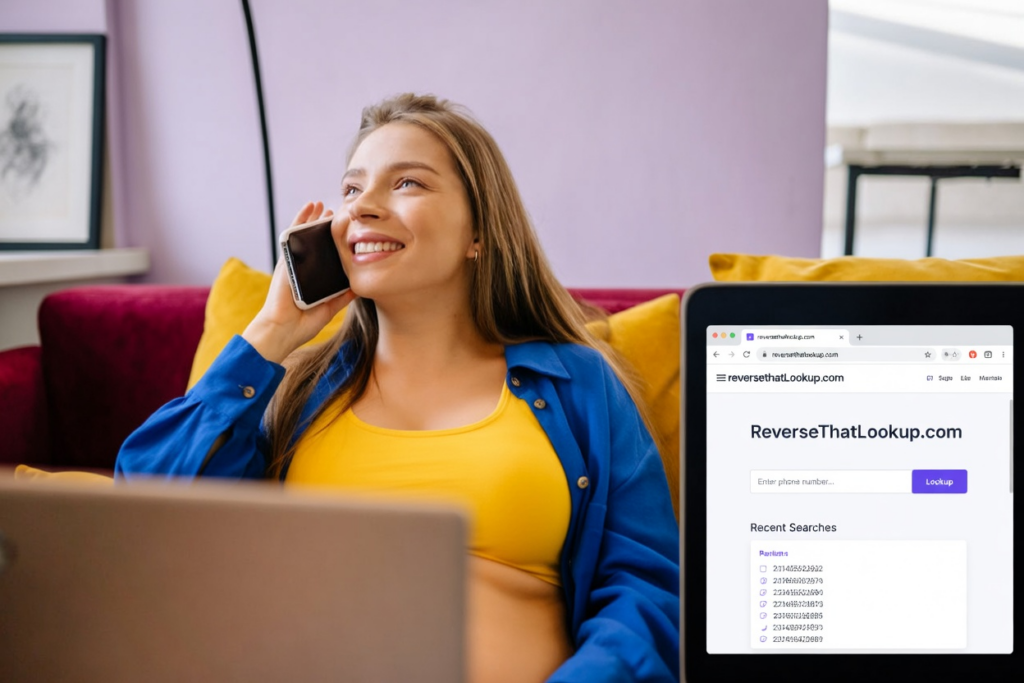
A typical moment: your phone rings from a number you do not know, and the caller says they are conducting a short survey. You are busy, the caller sounds polite, and you wonder if answering will make more calls come. Before engaging, use a reverse phone lookup to check the number and a people search only when a caller’s claimed identity needs broader context.
What Is Dynata?
Dynata describes itself as a data and survey research company. Its business involves collecting responses for clients that want to understand public opinion, customer behavior, business trends, or voter attitudes. You can review the company’s public site at Dynata.com.
That does not mean every call using the name is real. Scammers borrow legitimate company names because they sound official. Treat the company name as a claim to verify, not as proof.
| Caller Behavior | More Consistent With a Survey | More Consistent With a Scam |
|---|---|---|
| Questions | Opinions, preferences, demographics you can skip | Passwords, PINs, bank numbers, Social Security number |
| Pressure | You can decline or end the call | Caller threatens consequences or demands secrecy |
| Payment | No unusual payment request | Gift cards, crypto, wire transfer, payment app |
| Device access | No need to control your phone or computer | Asks you to install software or share screen access |
Why Dynata Might Be Calling Me
Why is dynata calling me may have a simple answer: your number is in a sample list for a research project. The topic could be consumer products, politics, business services, media habits, or local issues. Survey samples are designed to reach certain groups, not only people who requested a call.
You are allowed to decline. You can ask who is calling, what organization is sponsoring the research if they can disclose it, how long the survey will take, and whether any questions are optional. If the answers feel evasive, end the call.
Survey calls are exempt from some telemarketing rules, so the National Do Not Call Registry may not stop all research calls. You can still register at DoNotCall.gov to reduce many sales calls, but survey and political calls can operate differently.

What Real Survey Calls Should Not Ask For
A legitimate survey does not need your account password, one-time login code, full Social Security number, online banking login, debit card PIN, or remote access to your phone. It also should not ask you to pay a fee to participate.
Some surveys may ask demographic questions, such as age range, region, household size, or industry. You can skip questions you do not want to answer. If a caller says you must answer every private question to avoid trouble, that is not normal survey behavior.
The FTC’s consumer resources at consumer.ftc.gov explain how impersonation and pressure tactics work in many scams. The same principle applies here: verify independently and do not let a caller rush you.
Should You Answer?
You do not owe an unknown caller your time. If you are curious, let the call go to voicemail first and review the message. A legitimate caller should be able to identify the survey purpose without demanding an immediate answer.
If you answer, keep control of the call. Ask how long it will take, whether you can skip questions, and whether any incentive is involved. End the call if the caller tries to turn a survey into a financial or technical support conversation.
Do not argue with a pushy caller. A simple “I do not participate in phone surveys” is enough. Then hang up, block, or silence the number if it keeps interrupting you.
How to Verify a Dynata Call
Write down the number, time, caller name, and any project details they provide. Then check the number separately. Do not rely only on caller ID because spoofing can make a fake call look local or familiar.
If you want to participate, go through information published by the company rather than a link or number the caller texts you. If you cannot verify the call and the caller wants sensitive information, decline. A real research project can survive one cautious person hanging up.
If the call becomes threatening, report it as a scam attempt. The FBI’s scams and safety page at FBI.gov is a useful starting point when phone contact is tied to fraud, extortion, or financial loss.
What If the Number Looks Local?
Local caller ID does not prove the caller is nearby. Spoofing can make a call look like it comes from your area code, a neighboring town, or even a number similar to yours. Scammers use that familiarity because people are more likely to answer.
Market research operations may also use different outbound numbers, so a new number is not automatically fake. Judge the call by behavior. Opinion questions are one thing. Requests for private credentials are another.
How to Stop Repeat Calls
Ask politely to be removed from the calling list. Keep the date and number you called or answered. If calls continue, block the number, but understand that survey operations may use more than one outbound number.
Use your phone’s built-in blocking tools and carrier spam controls. If the calls come at inconvenient times, silence unknown callers or send unknown numbers to voicemail. You can still return calls you choose after checking the number.
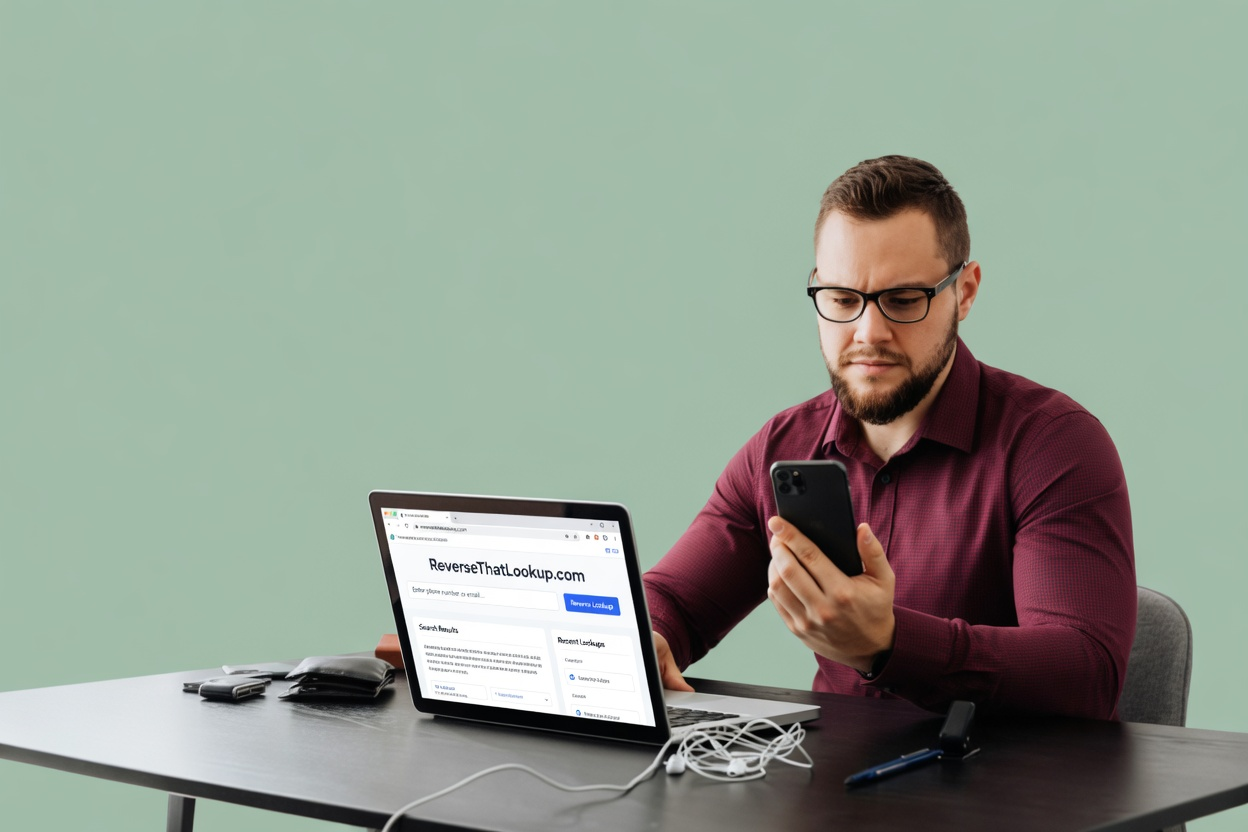
Keep a Simple Call Log
If calls keep coming, write down the date, time, number, and what the caller said. Patterns matter. A call log helps you decide whether the issue is an occasional survey attempt, a persistent nuisance, or an impersonation pattern worth reporting.
Save voicemails that contain threats, payment demands, or private-data requests. Do not call back from a number in the message until you verify it elsewhere. Your notes are more useful than a guess about who called. They also make repeat blocking easier and give reports clearer detail later.
When to Hang Up Immediately
Hang up if the caller asks for money, gift cards, crypto, a wire transfer, account passwords, one-time codes, or remote access. Hang up if they say you are in legal trouble unless you answer. Hang up if they tell you not to verify the call.
Survey calls can be annoying without being dangerous. Scam calls try to make you afraid or hurried. That difference matters. Your safest move is to slow the conversation down and move verification outside the call.
Frequently Asked Questions
Why is dynata calling?
Dynata may be calling because a survey project is trying to collect opinions from people in your area, industry, or demographic group. The call can be legitimate, but you should verify the number and refuse any request for passwords, payment, codes, or sensitive account information.
What is Dynata and why are they calling me?
Dynata is a market research and survey company. Calls may be about consumer opinions, political views, workplace topics, or product research. A real survey should let you decline, skip uncomfortable questions, and end the call without threats, fees, account verification demands, or pressure.
Why is Dynata calling me repeatedly?
Repeat calls can happen when a survey project is still trying to reach enough respondents. Ask to be removed from the list, block numbers that keep calling, and use carrier spam controls. If a caller asks for money or private credentials, treat it as an impersonation attempt.
Who is Dynata and why are they calling me?
Dynata is a company that conducts research calls for clients. They may be calling to ask survey questions, not to sell you something directly. Still, scammers can impersonate legitimate names, so verify independently and never share banking details, PINs, passwords, or one-time codes.