Reverse Address Lookup
- Private & Encrypted
- Trusted by 100K+ Users
- Aggregate Public Records
- Results vary by available public and property-record sources.

How Reverse Address Lookup Works

Enter the Street Address
Type in the address you want to search. Adding a city and state can help narrow possible matches.

Review Available Sources
We check available public-record and property-related sources for possible details connected to the address.

Check Possible Matches
Review possible results such as property records, resident clues, ownership clues, and related public details.
Start a reverse address lookup to review possible public-record and property matches.
What is a Reverse Address Lookup?
Search an Address for Available Public Details
A reverse address lookup helps you search a street address for public-record and property clues that may be connected to that location. Depending on available sources, results may include possible residents, property details, address history, ownership clues, and related contact information.
How an Address Search Finds Public Records
A reverse address lookup checks available public-record and property-related sources tied to an address. It can help you review possible details about a location, but results vary by source coverage and may not always be current or complete.
What a Reverse Lookup by Address May Show
A reverse address lookup helps you search a street address for available public-record and property details connected to that location. Depending on source coverage, results may include possible residents, property records, ownership clues, address history, and related public details.
A free reverse address lookup gives you the basic picture — likely current or past residents and whether records exist for the address — while deeper property and ownership details may come from expanded partner reports.
Available Public Details May Include:
- Possible current or past resident clues
- Property ownership and sale records
- Address history and location details
- Public-record and property details
- Possible related contact information
A reverse address lookup can help when you want to research who may be connected to a property, review address-related public records, or continue personal research about a location.
Backwards Address Search: Start With the Address
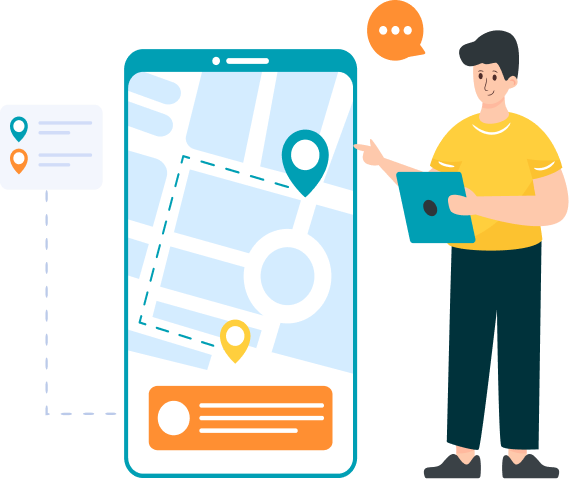
A backwards address search flips the usual direction: instead of finding where someone lives, you start with the address and work back to the people. Enter a street address and review possible current residents, past residents, and how long records connect each person to the property. It’s the tool for checking who may live at an address before you buy, visit, or ship something valuable – or for reconnecting a family address to the people who lived there.
Because it works name-from-address, a reverse address lookup doubles as a reverse name lookup by address — enter the street address and the tool surfaces the names most often tied to it in public records. Basic address searches here are free, so you can review the match list before deciding whether an expanded property or ownership report is worth it.

Property Details an Address Lookup May Include
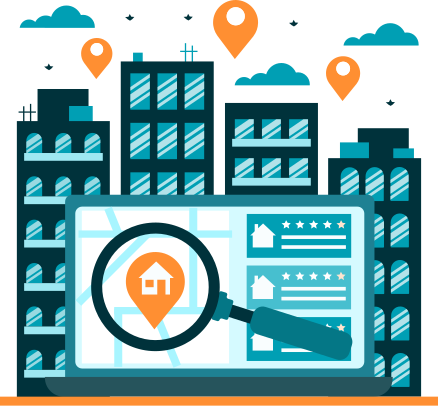
Beyond residents, address records may include property characteristics from public sources: approximate build year, property type, ownership transfer history, and neighborhood-level context. Coverage varies widely by county – some publish rich, current records while others digitize slowly – so two addresses a mile apart can return very different levels of detail. Where records are thin, the lookup still shows what exists rather than padding results.
When to Use a Reverse Address Lookup
A reverse address lookup can help when you want to research who may be connected to a property, review address-related public records, or learn more about a location.
Common moments to run one: vetting a landlord, buyer, or seller before a deal; checking an address a stranger gave you; or reconnecting with someone when you only have an old address. If you have a phone number instead, a reverse phone lookup may be faster, and a people search can start from just a name.
Bonus tip: If you only have a phone number, try a reverse phone lookup to continue researching possible contact or address clues connected to it.
Verify Who May Be Connected to an Address
Use a reverse address lookup to review possible residents, ownership clues, address history, and public property details tied to a location.
Research Who May Be Connected to an Address
An address lookup can help you review available property records, ownership clues, and address-related public details before signing a lease or making an offer.
Check an Old Address
If you have an old street address, a reverse lookup by address may help you review possible past residents or related public-record details connected to that location.
Review Public Details About a Location
Use reverse address lookup to review property history, address-related records, ownership clues, and other public details connected to a location.
Reverse Address Lookup FAQs

How do I do a reverse address lookup?
Enter the full street address including city and state, then review the possible resident and property matches from available public sources.
Is reverse address lookup free?
Basic address search results are free. Expanded property and resident reports through partner providers may require payment.
Can I see who lived at an address before?
Often, yes – public records frequently connect past residents to an address, with approximate date ranges.
What's the difference from white pages address lookup?
White pages directories list published phone/address pairs. A reverse address lookup adds property records, resident history, and public web references.